Gray Skies and Golden Light: A Photographer's trip at Dongjiang Lake
After two days in the villages of central Hunan, and diving into the local culture and traditions we pointed the car south toward Chenzhou and the lake country that sprawls around it. This part of Hunan is known in China for its mountains and water, though it doesn't have the international fame of Zhangjiajie or Guilin, and that might be a good thing, the places that aren't on every list tend to surprise you more.
The drive took a couple of hours through landscape that shifted from flat agricultural valleys to something more vertical and green. By the time we reached Chenzhou, a city of 4.5 million that still manages to feel relaxed by Chinese standards, it was late afternoon and starting to rain.
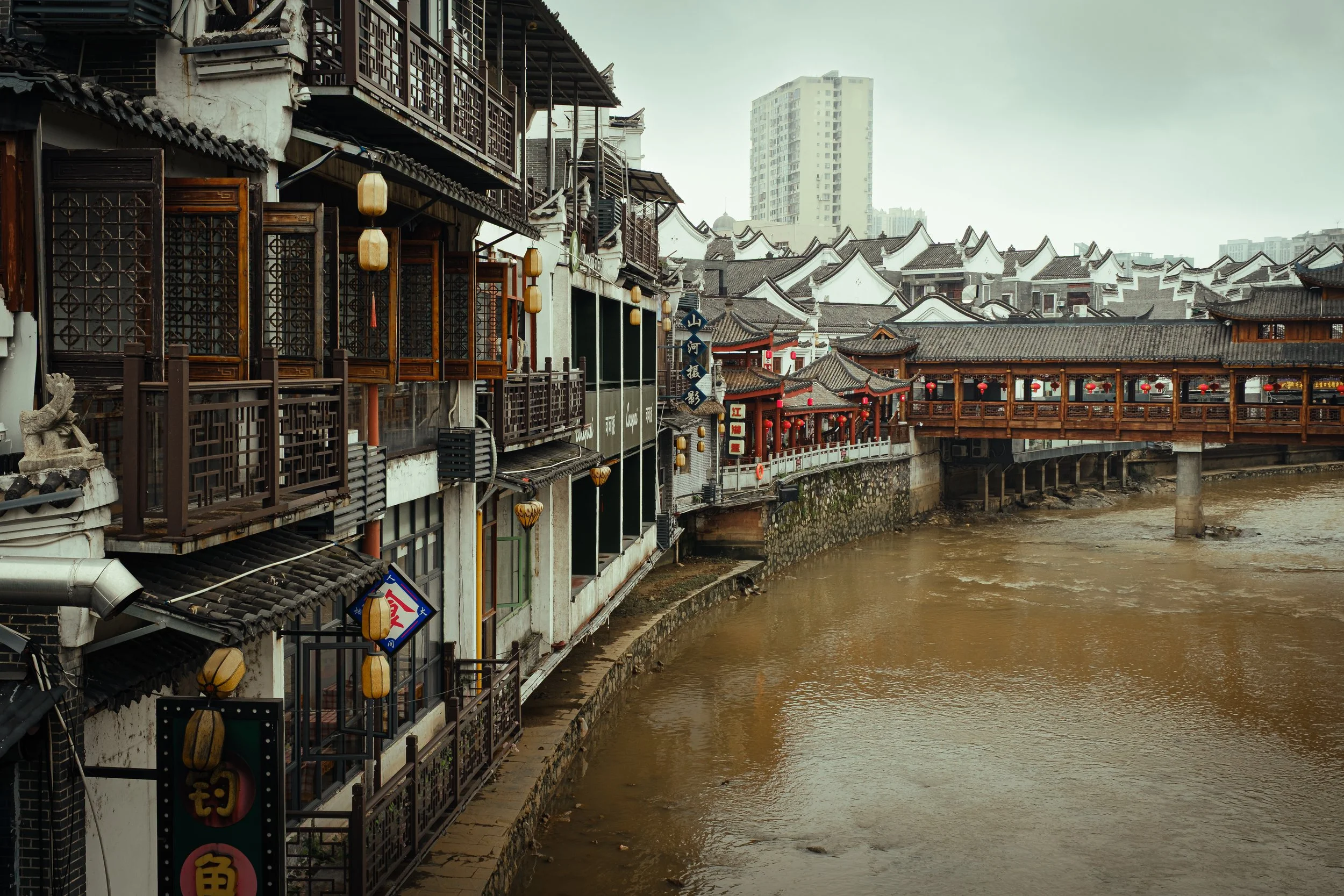
A City Between Gears
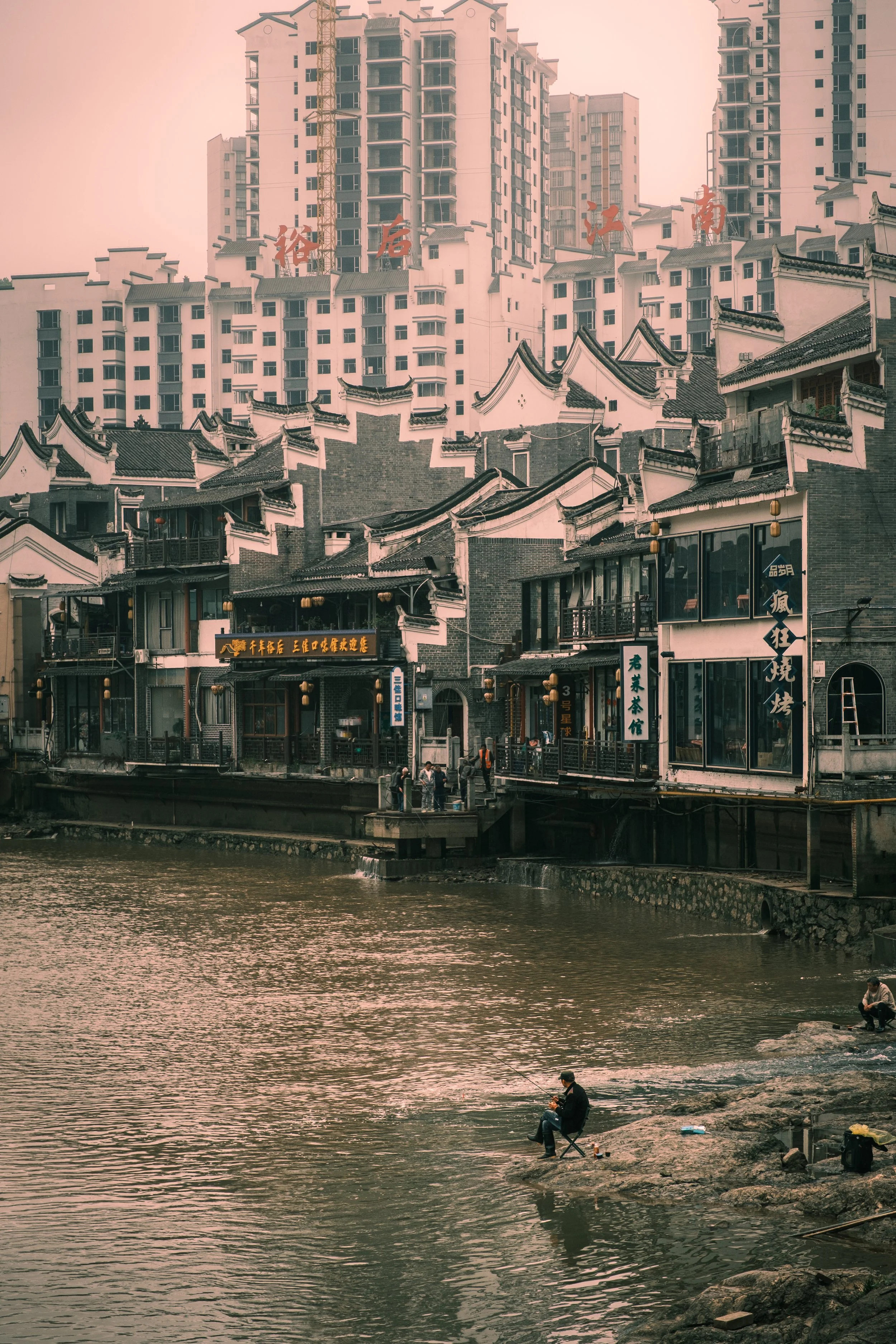
Chenzhou sits at the intersection of several mountain ranges, with a river cutting through its center that gives the whole place a sense of orientation. At night, the old town comes alive with the usual cast of characters, street food vendors grilling everything that can be grilled, shops selling the kind of stuff you don't need but somehow want, families out walking because that's what you do after dinner in a Chinese city.
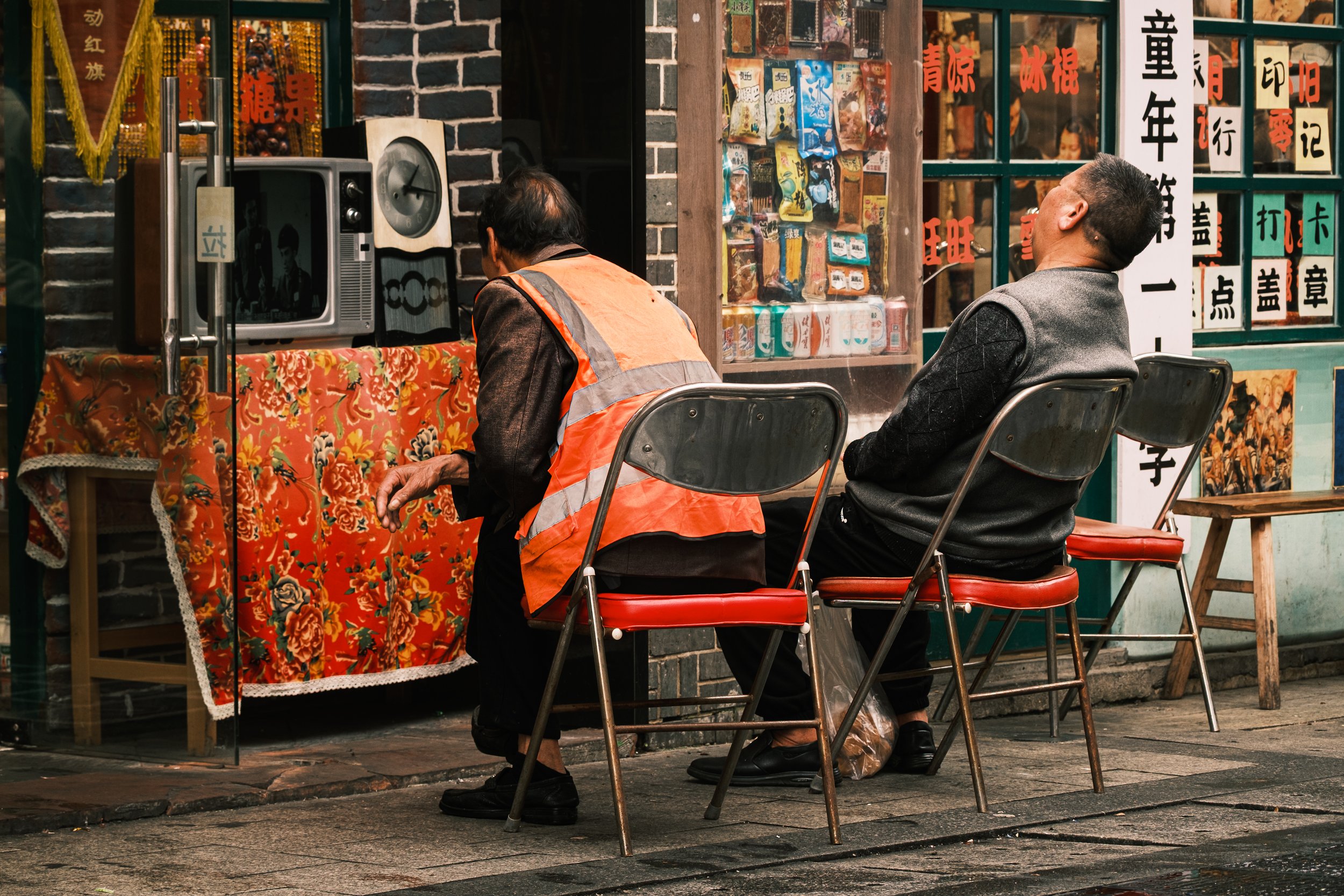
The next morning, though, Chenzhou showed a different face. We walked the old town streets in the quiet hours after sunrise, when the city was still waking up. Only a few people were out, restaurant workers hosing down sidewalks, old men watching an old show on a TV propped in a storefront, a woman sweeping the street with the kind of broom that's been the same design for centuries. This is the China I've come to appreciate more over the years, the in-between moments when cities drop their performance and just exist.
We'd planned to head into the mountains that day, to hike one of the ranges Chenzhou is famous for, but the weather had other ideas and my leg had worse ones. A minor injury from the day before meant steep trails were off the table. So we adjusted, which is what you do when traveling, and pointed ourselves toward Dongjiang Lake instead.
The Hotel as Destination
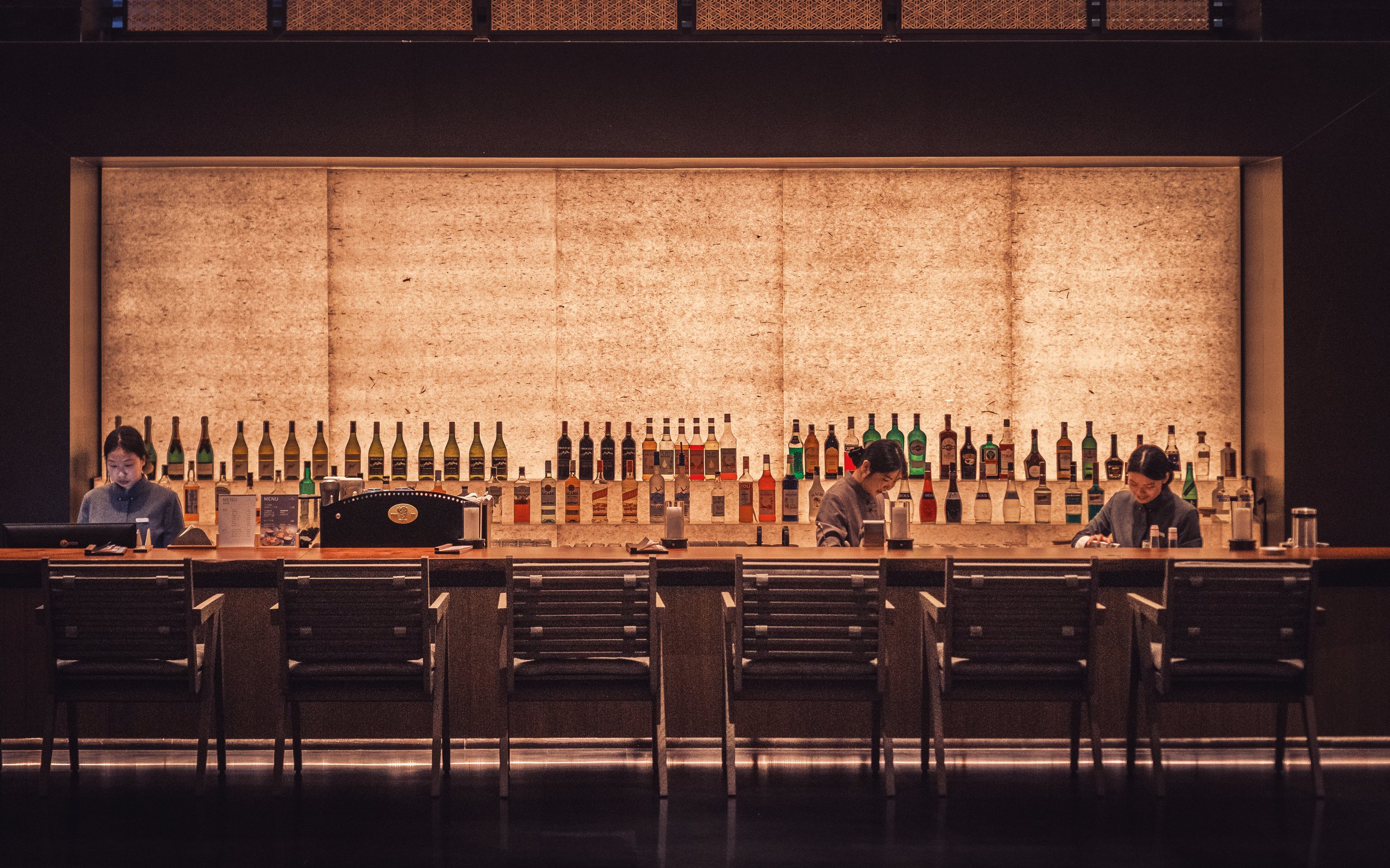
The Zephyrus Art Resort Hotel sits along the lake's edge, far enough from Chenzhou proper that the drive takes you through smaller towns and increasingly rural landscape. When we arrived, I was in for a surprise.
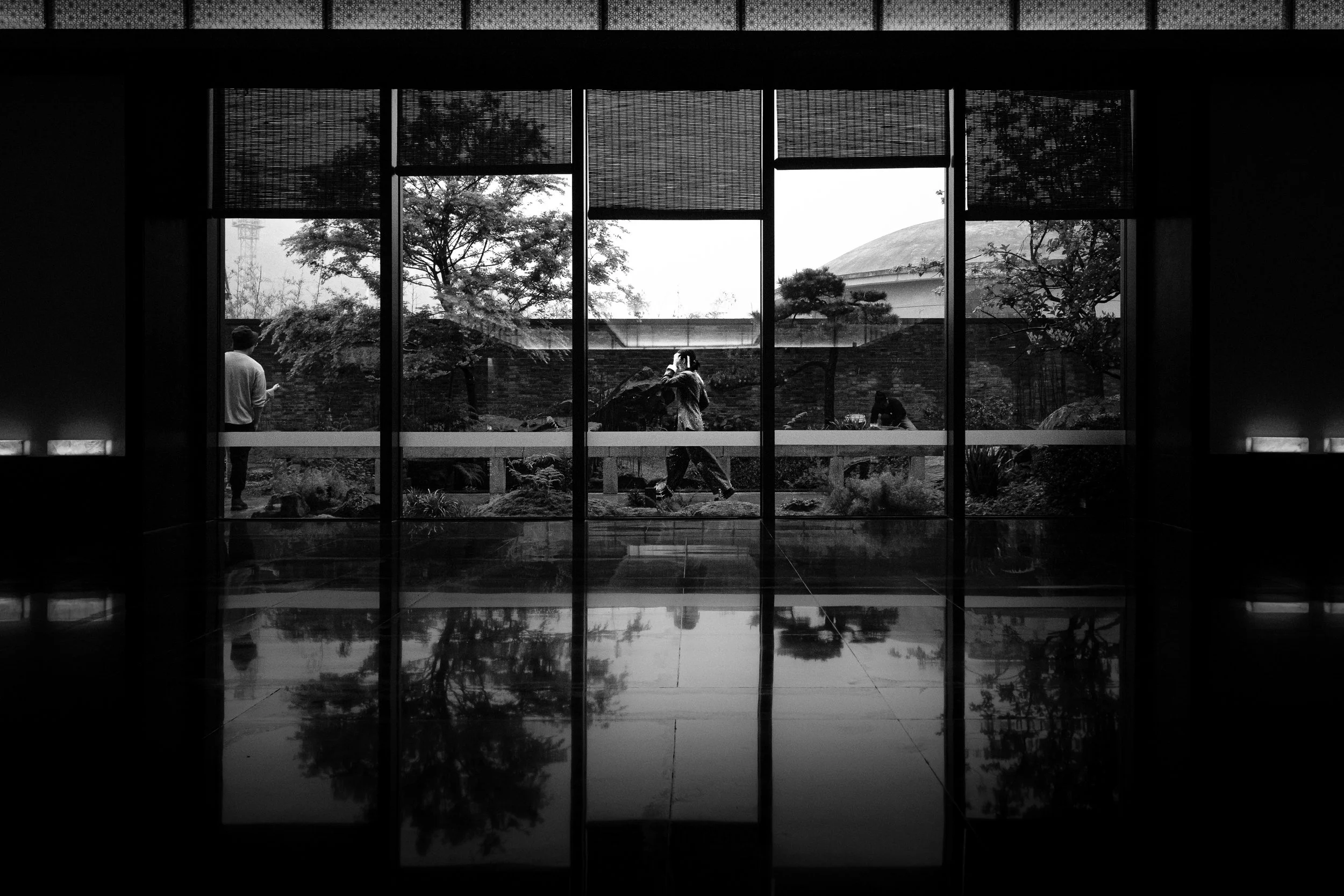
The architecture does that thing where modernist minimalism meets traditional Chinese elements without feeling forced about it. Clean lines, natural materials, gardens that feel both designed and wild. The rooms are spacious in a way that lets you actually spread out, and the attention to detail, from the tea service to the way light falls through the windows at different times of day suggests someone actually thought about what makes a space feel good to be in.
I'm not usually the type to spend much time in hotels. They're places to sleep between the places you actually want to be. But the Zephyrus made a case for itself as a destination, the kind of place where sitting with tea and a book counts as a legitimate way to spend an afternoon.
We had lunch at a restaurant along the river, watched the water move, tried not to think too much about the thickening clouds overhead.
Working With What You Get
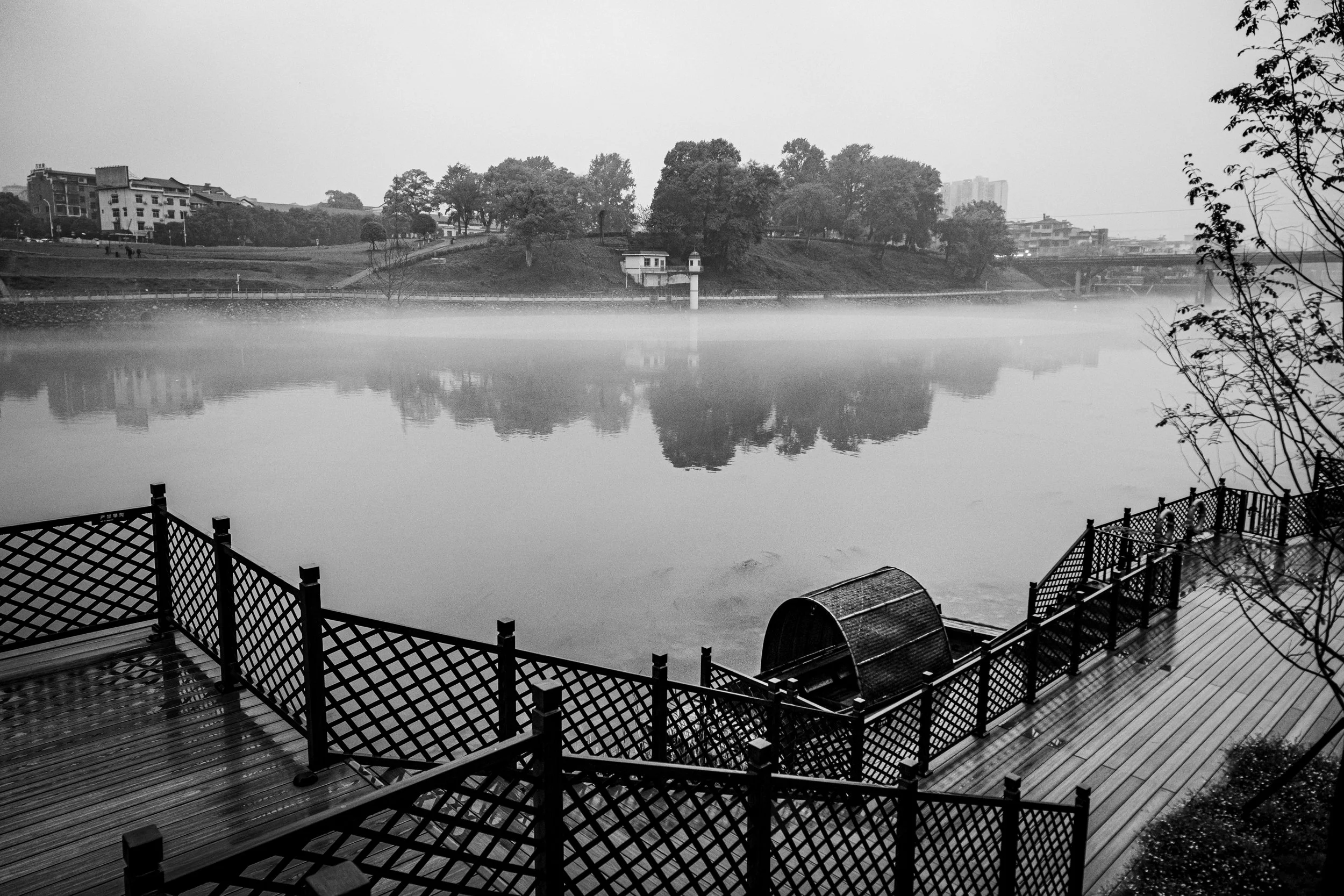
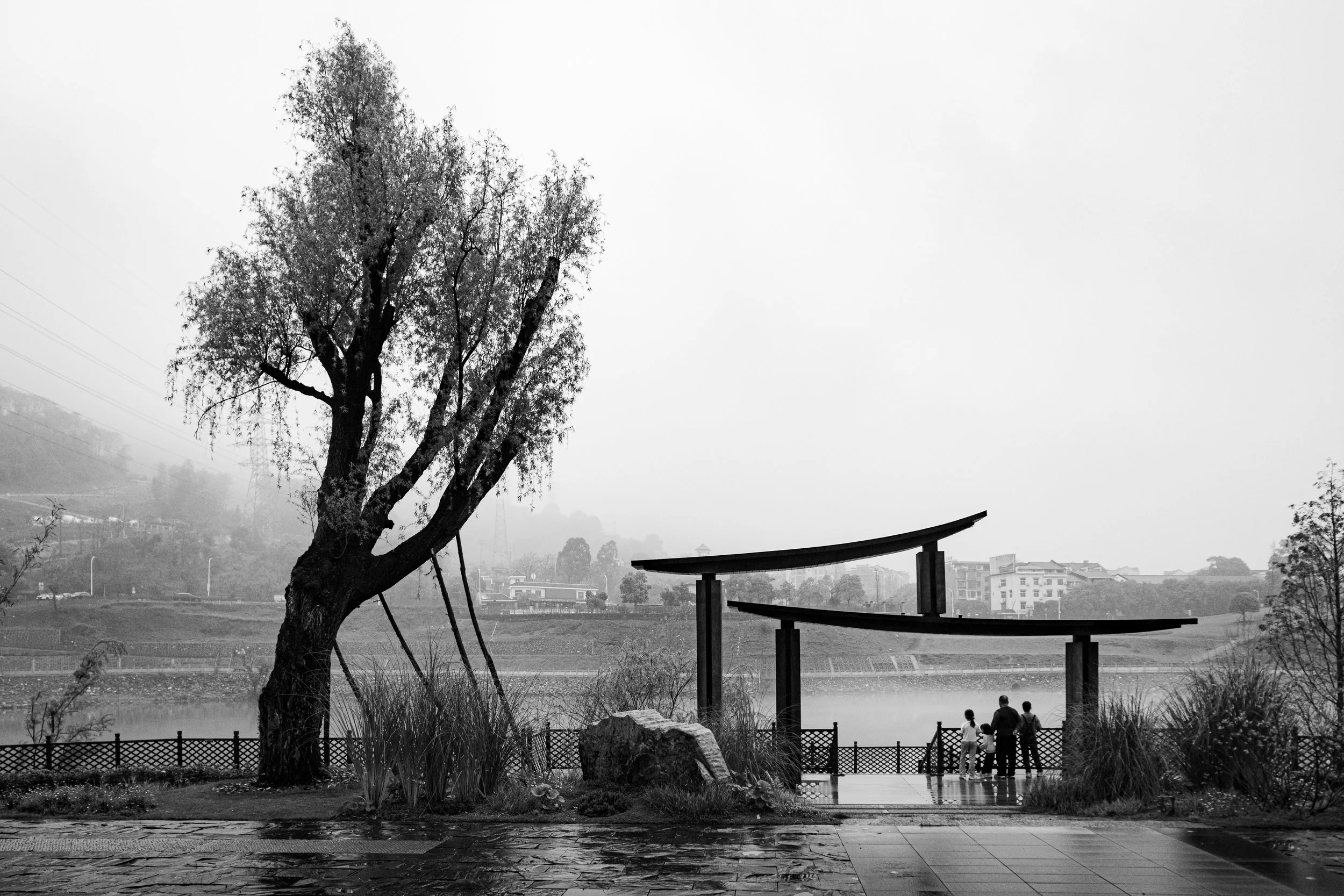
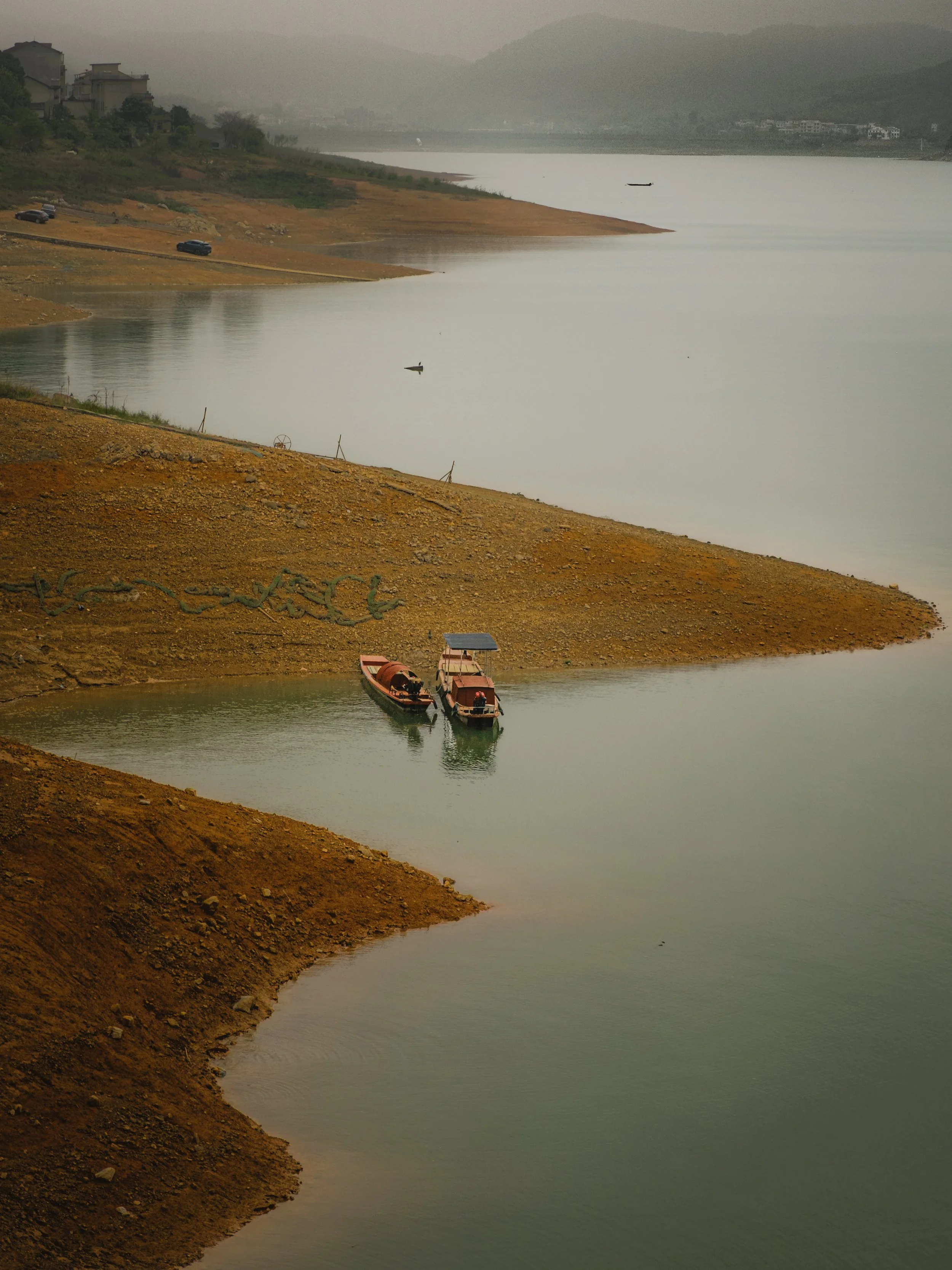
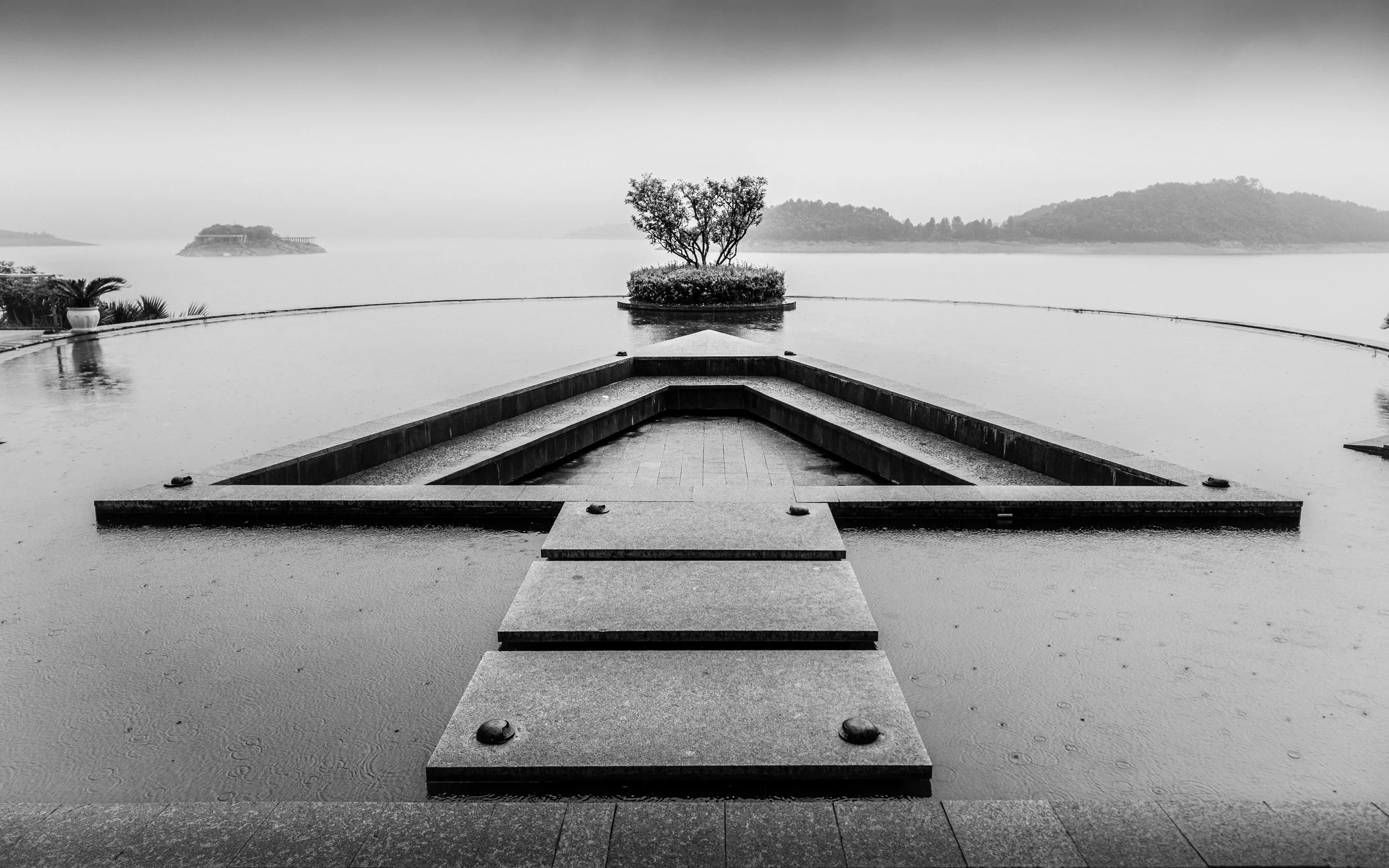
By the time we reached the main lake area in the afternoon, the weather had gone from questionable to definitively bad. Gray sky, flat light, rain, intense at times. The lake, which I'd seen in photos looking emerald and vibrant, was the color of concrete.
Every photographer has a version of this experience. You plan for golden hour, you imagine that perfect light raking across your subject, and then reality delivers something else entirely. You can complain about it, or you can work with what you've got.
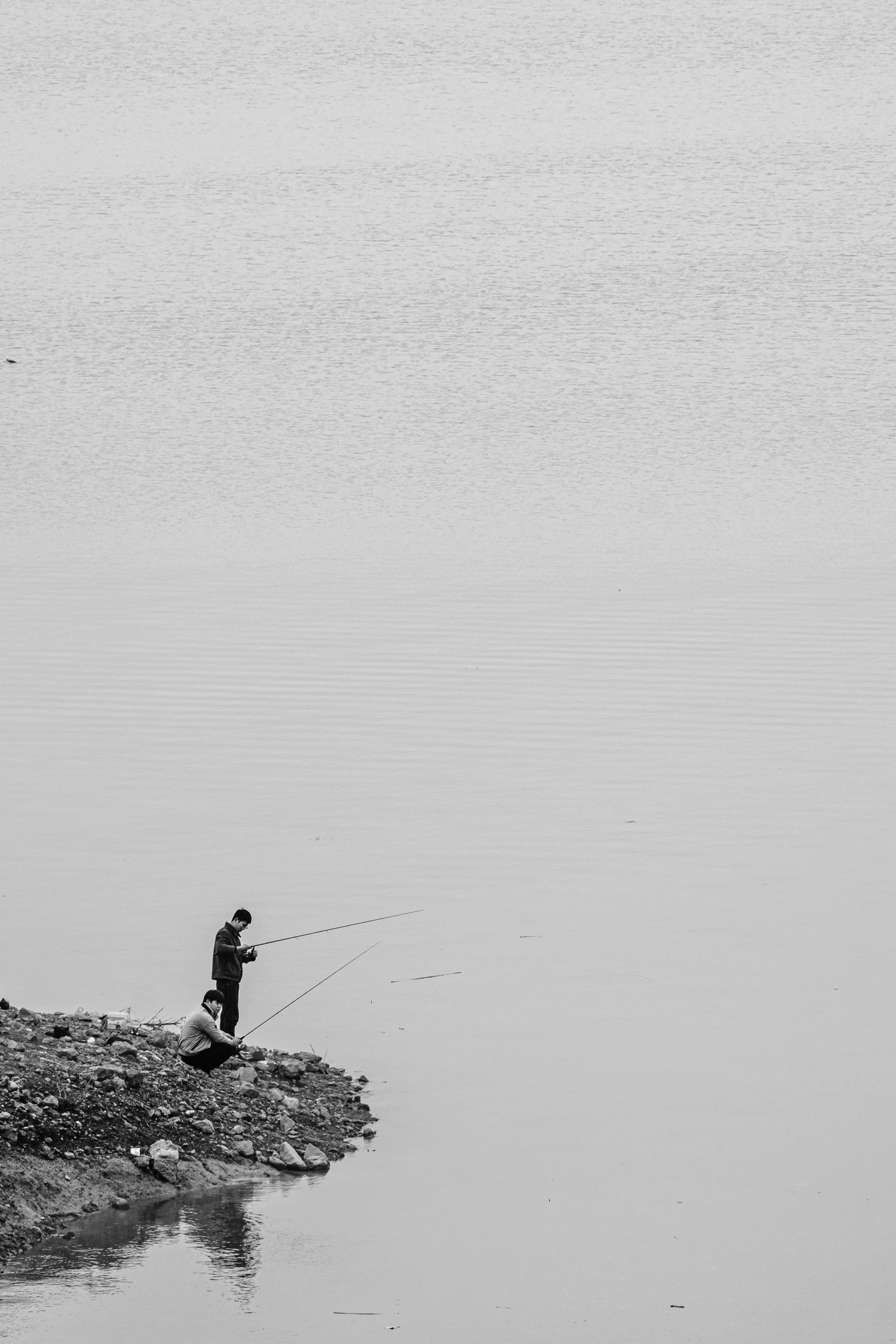
I worked with what I had, which was shapes and contrast and the kind of atmospheric mood that only gray days provide. I shot in black and white, looking for compositions that didn't rely on vibrant colors to tell their story. The geometry of shorelines and the negative space of empty water. It was harder than shooting in good light, more challenging to find images that worked, but not less satisfying when they did.
There's something honest about difficult shooting conditions. They strip away the easy beauty and make you look harder, think more carefully about why you're pointing your camera at something. The photos I got that afternoon aren't the ones I'd planned for, but they're the ones the day gave me, and I've learned to appreciate that kind of gift.
When the Sun Finally Comes
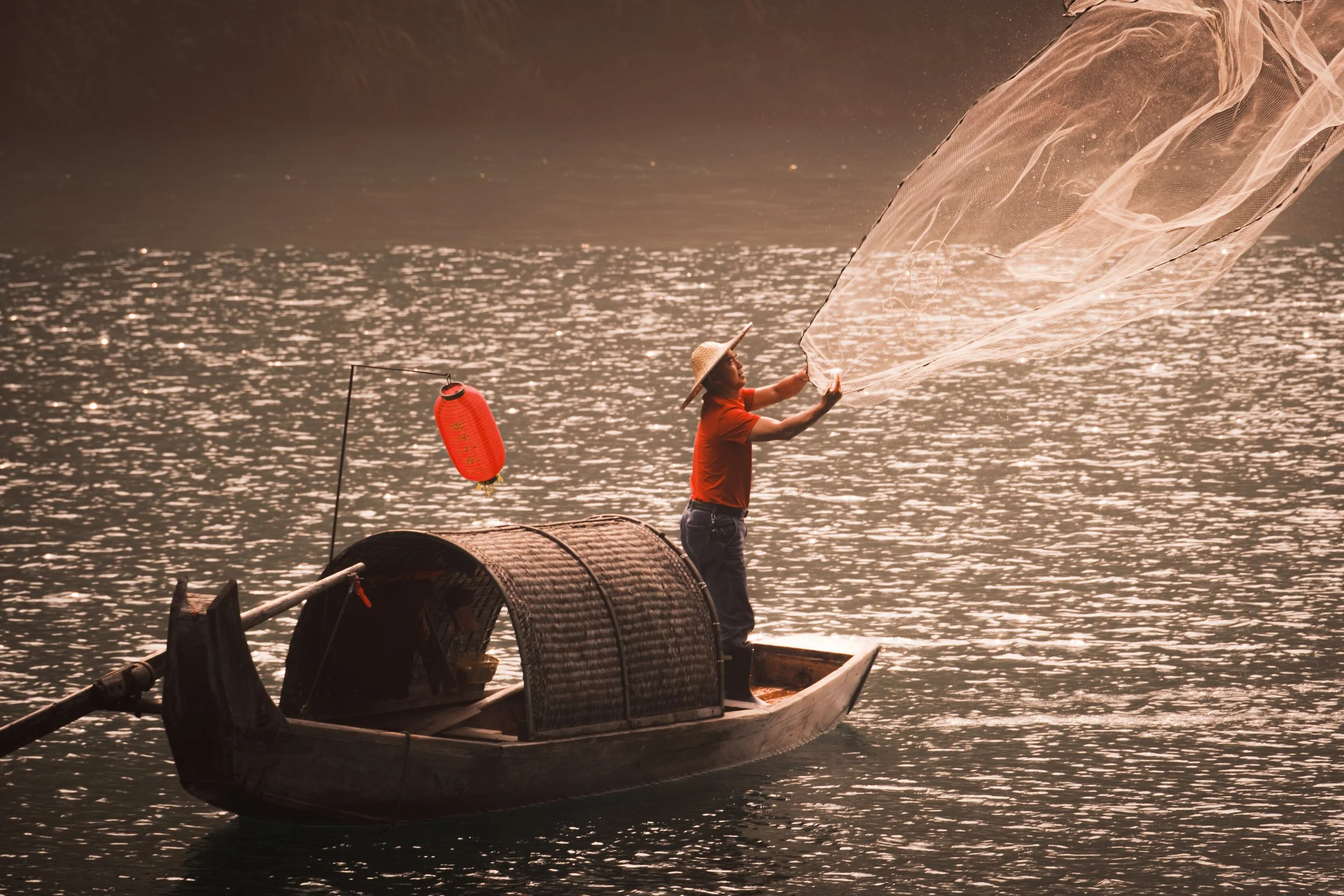
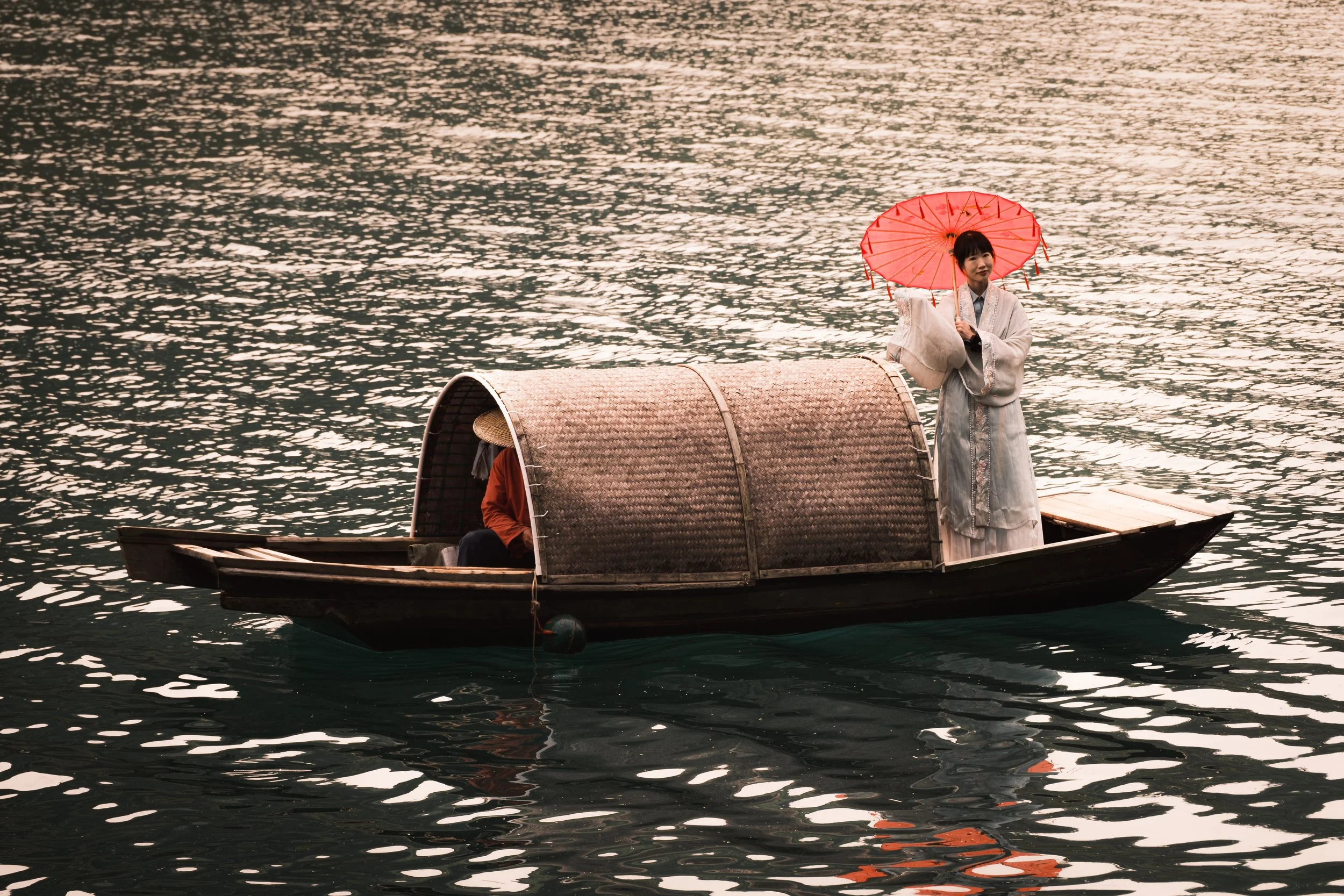
The next morning, our last in the area, the rain stopped and the sun came out as if it had never been gone. We were up early to see the fishermen on the Xiaodong River, the thing Dongjiang Lake is actually famous for, the image that appears in every tourism brochure and social media post about the region.
The fishermen work from traditional wooden canoes in the early morning when the mist is still rising off the water. They throw their nets in that spectacular circular motion that takes years to perfect, the nets blooming in the air before settling onto the surface. It's photogenic in a way that almost feels too perfect, like someone staged it specifically for cameras, except this is actually how fishing has been done here for generations.
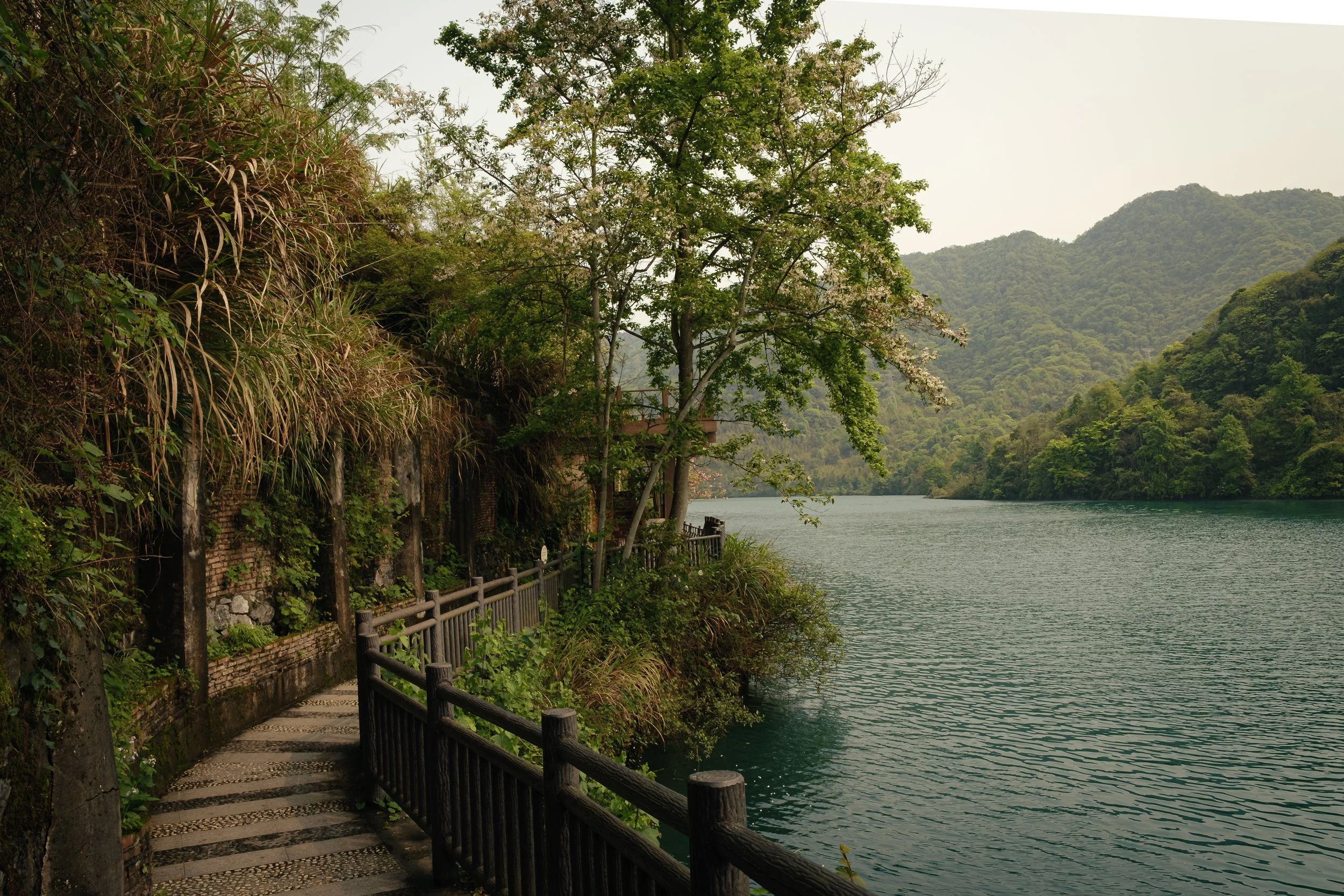
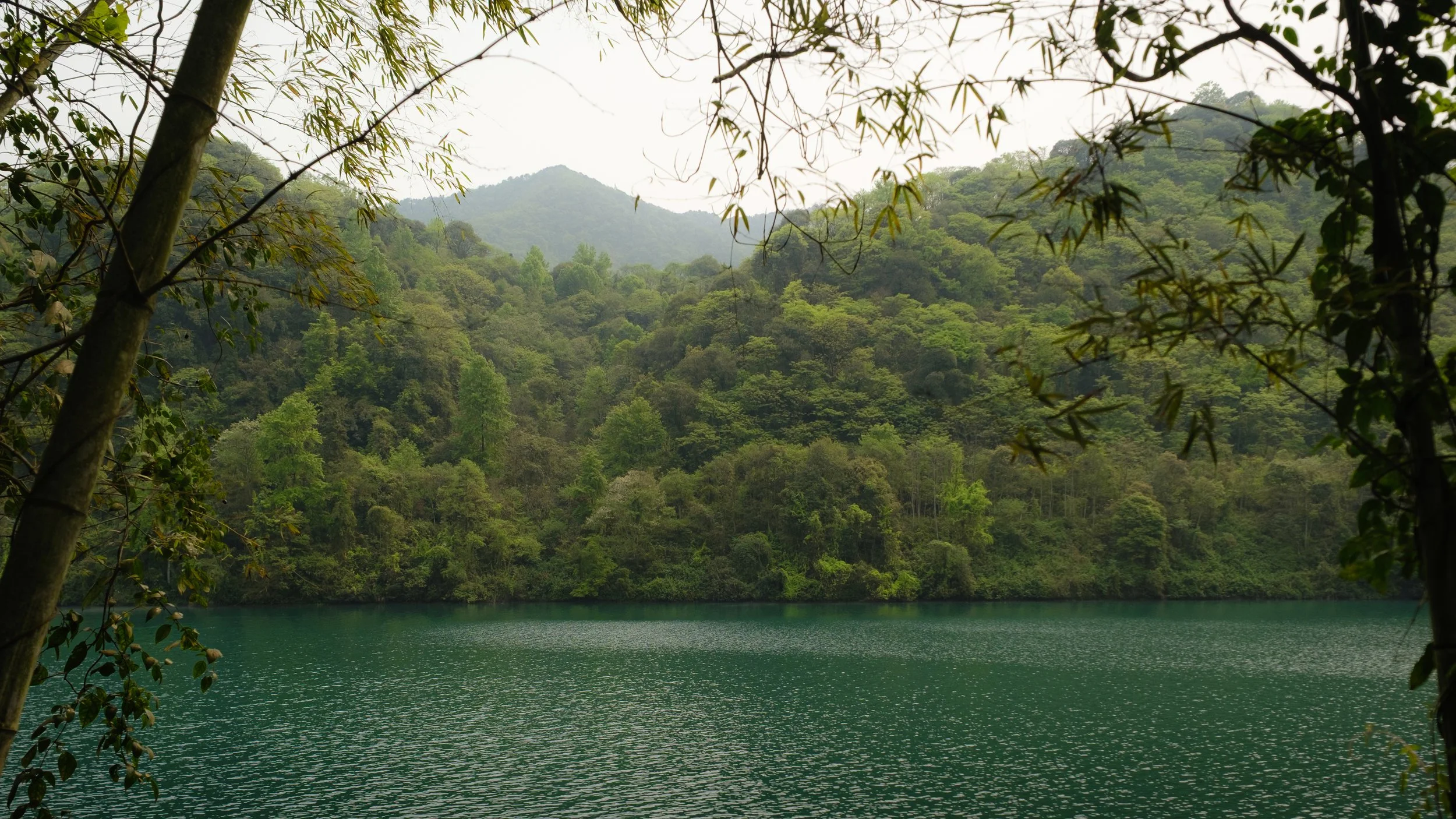
We arrived with all the tour groups, which was unavoidable, but after the initial crowd dispersed to their buses and scheduled stops, we had the riverside paths mostly to ourselves. Kilometers of paved walkways wound under a canopy of trees, with views of the lake appearing and disappearing through the foliage. The morning was gentle, warm sun, light breeze, the kind of weather that makes walking feel effortless.
What surprised me more than the fishermen, though, was the infrastructure itself. I remember visiting Chinese scenic areas seven or eight years ago and feeling disappointed by the commercialization: shops selling plastic souvenirs, Starbucks and McDonald's incongruously positioned in the middle of natural areas, the sense that tourist development had trampled the thing people were supposedly coming to see.
This was different, and the difference felt significant. Cars weren't allowed in the park. Visitors arrived by shuttle buses that stopped at designated points along the route, and you could choose to walk between stops or continue by bus to the next one. The riverside paths stayed pristine, integrated into the landscape rather than dominating it. The handful of facilities, bathrooms, small food shops were positioned on the road above, out of sight from the walking trails, thoughtfully placed rather than randomly scattered. A surprise to be sure but a welcome one.
It's easy to dismiss this kind of thing as a minor detail, but these details add up to an experience that feels respectful rather than extractive. China has been working hard on this in recent years, rethinking how tourism and nature preservation can coexist, and it shows. The result is places that make you want to come back rather than places you're glad you saw once but have no desire to revisit.
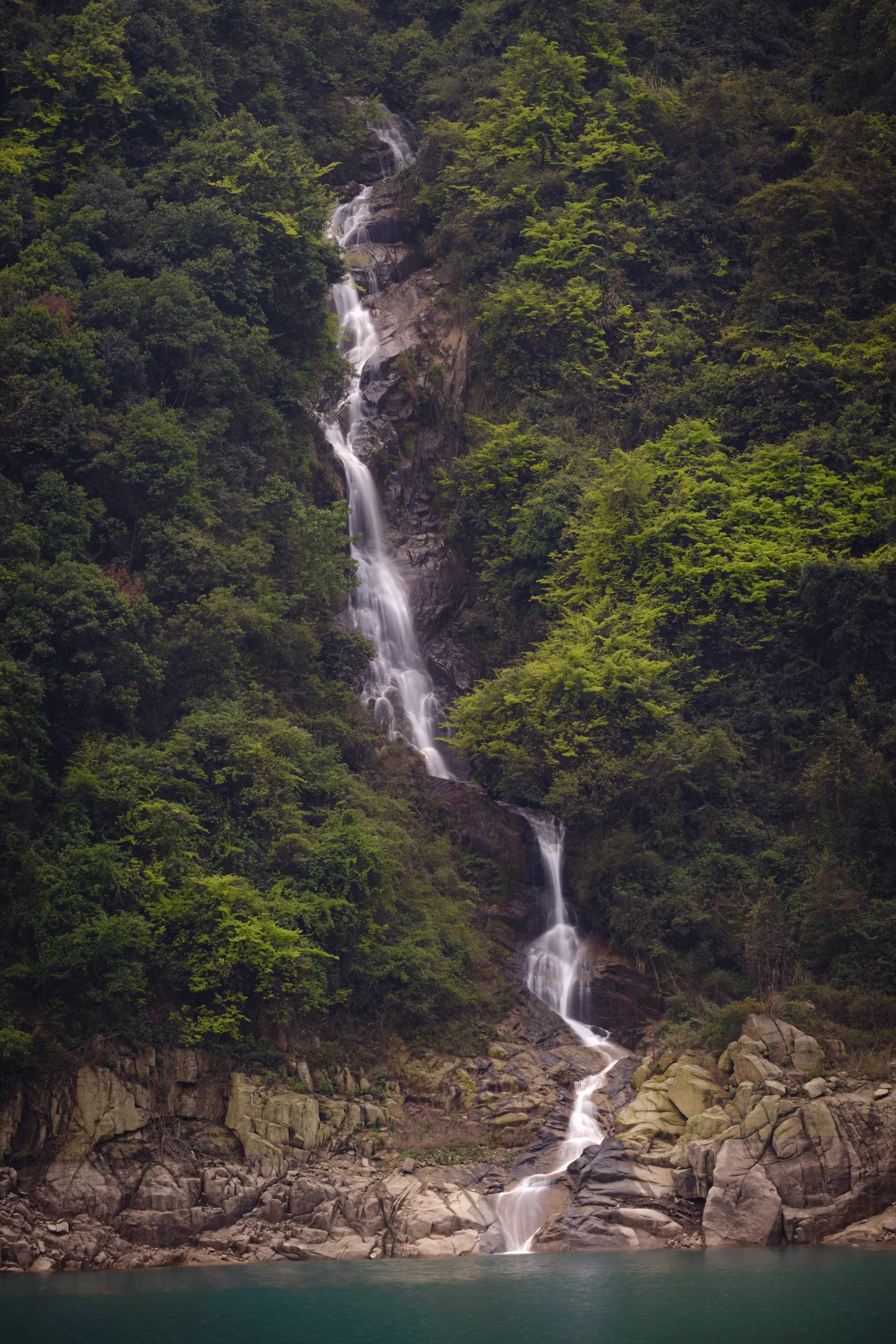
We left South Hunan that afternoon with a list of things we didn't get to. The mountain ranges that brought us to Chenzhou in the first place. The longer boat trips down the river through canyon country. The caves that apparently honeycomb the area. The dozen other trails and viewpoints and small villages that the region holds.
The mountains will still be there when I come back. And I will come back, because that's what places like this do, they show you enough to make you curious about what you missed, they leave you wanting more, and they prove that China's beauty extends far beyond the famous names everyone already knows.
Bertrand Renaud is an award-winning French photographer based in Hong Kong. His work focuses on street photography and landscapes across South China.

