Life in a Fifth-Tier City: Beyond the Stereotypes of Small-Town China
Before I reached the quiet village in the Hunan countryside, I spent a few days in Leiyang, a city of one million people that you've almost certainly never heard of. Fifth-tier in the Chinese urban hierarchy, which means it exists somewhere below the radar of international attention but above the threshold of complete obscurity. Three hours south of Changsha by high-speed rail, close enough to matter but far enough to develop its own character.
I'd come to understand what life actually looks like in these places that Western coverage tends to either ignore entirely or paint with the broadest possible brush. The narrative you usually get is that China developed its first-tier cities (Beijing, Shanghai, Shenzhen) while leaving the rest of the country decades behind, stuck in poverty with broken social services and limited opportunities. It's a convenient story, and like most convenient stories, it's not quite true…
The Train That Changed Everything
We arrived from Shenzhen on the gaotie, China's high-speed rail network that has become so extensive over the past two decades that it's easy to forget it barely existed when I first visited China in the early 2000s. Back then, train travel meant hard wooden benches, delays measured in hours and a general sense that getting anywhere took patience and low expectations.
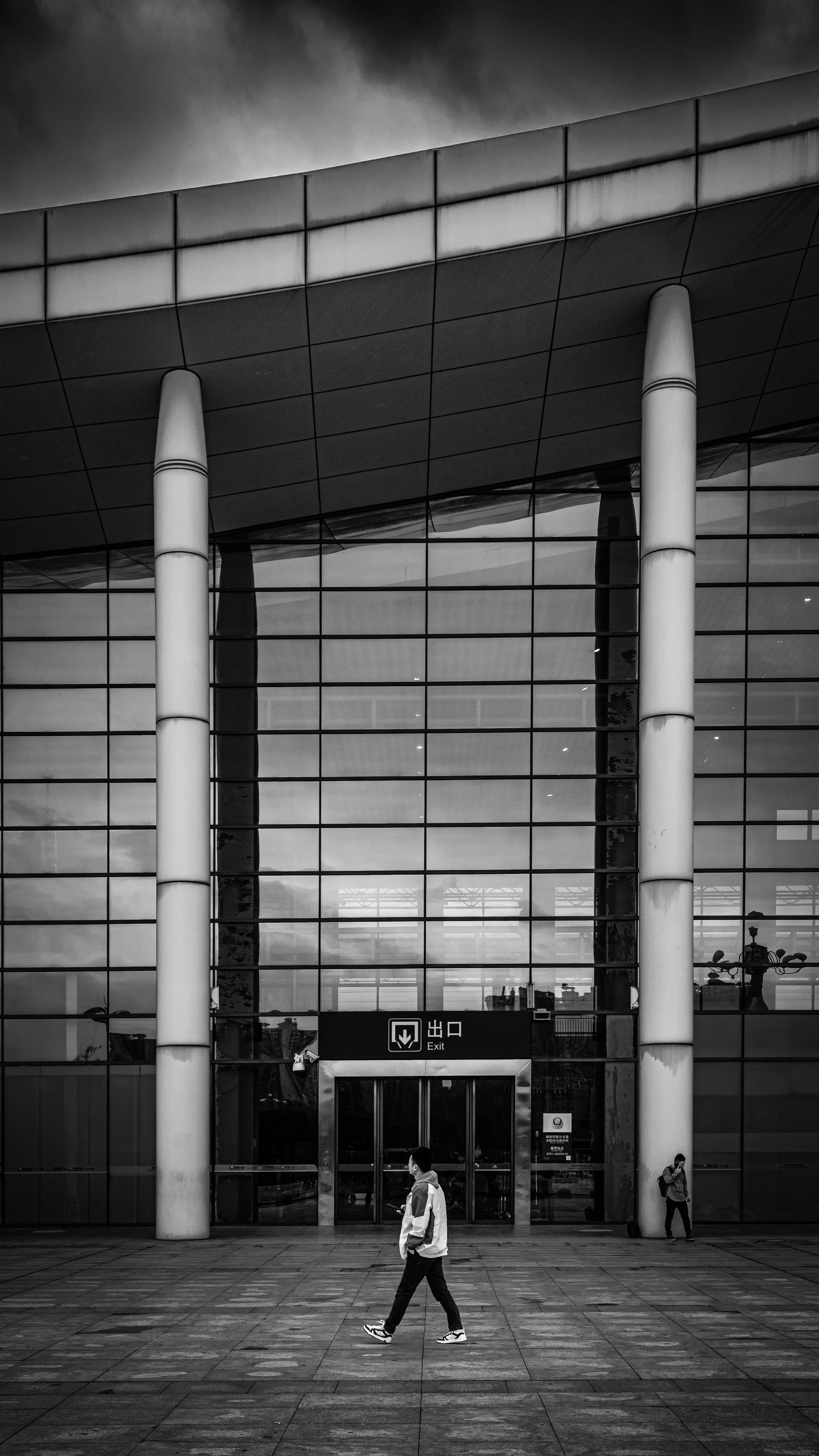
Now the experience rivals anything in Japan or Europe. The trains run at 300 kilometers per hour, departures happen within seconds of the scheduled time, and the stations themselves have become showcases of infrastructure competence. Leiyang's station was no exception: modern architecture with clean lines, efficient service, the kind of building that wouldn't look out of place in a much wealthier city.
But train stations are always the best face a city puts forward, the first impression carefully managed. I was more curious about what lay beyond that polished entrance, about what daily life actually looked like for the million people who call this place home.
The Grey and the Green
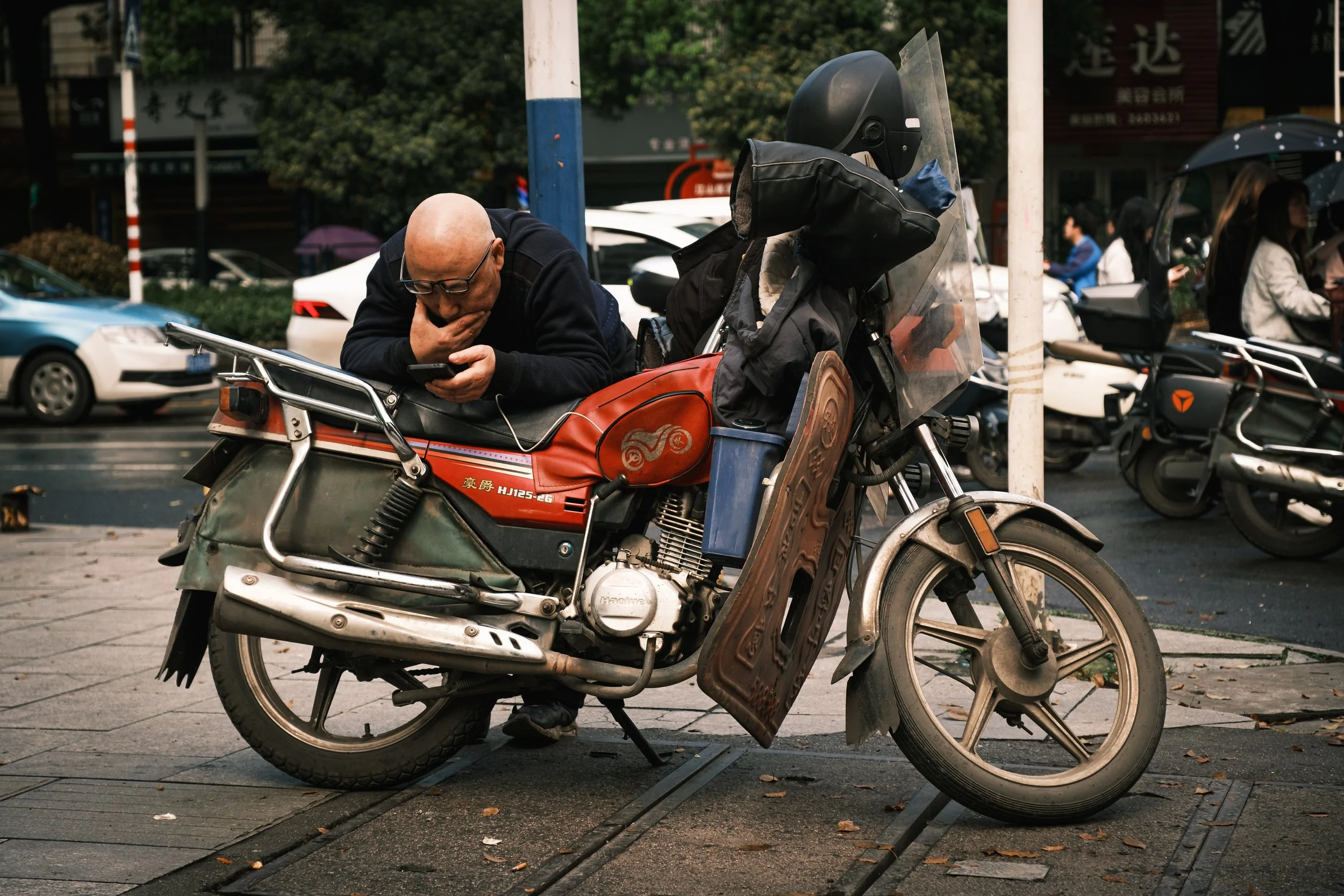
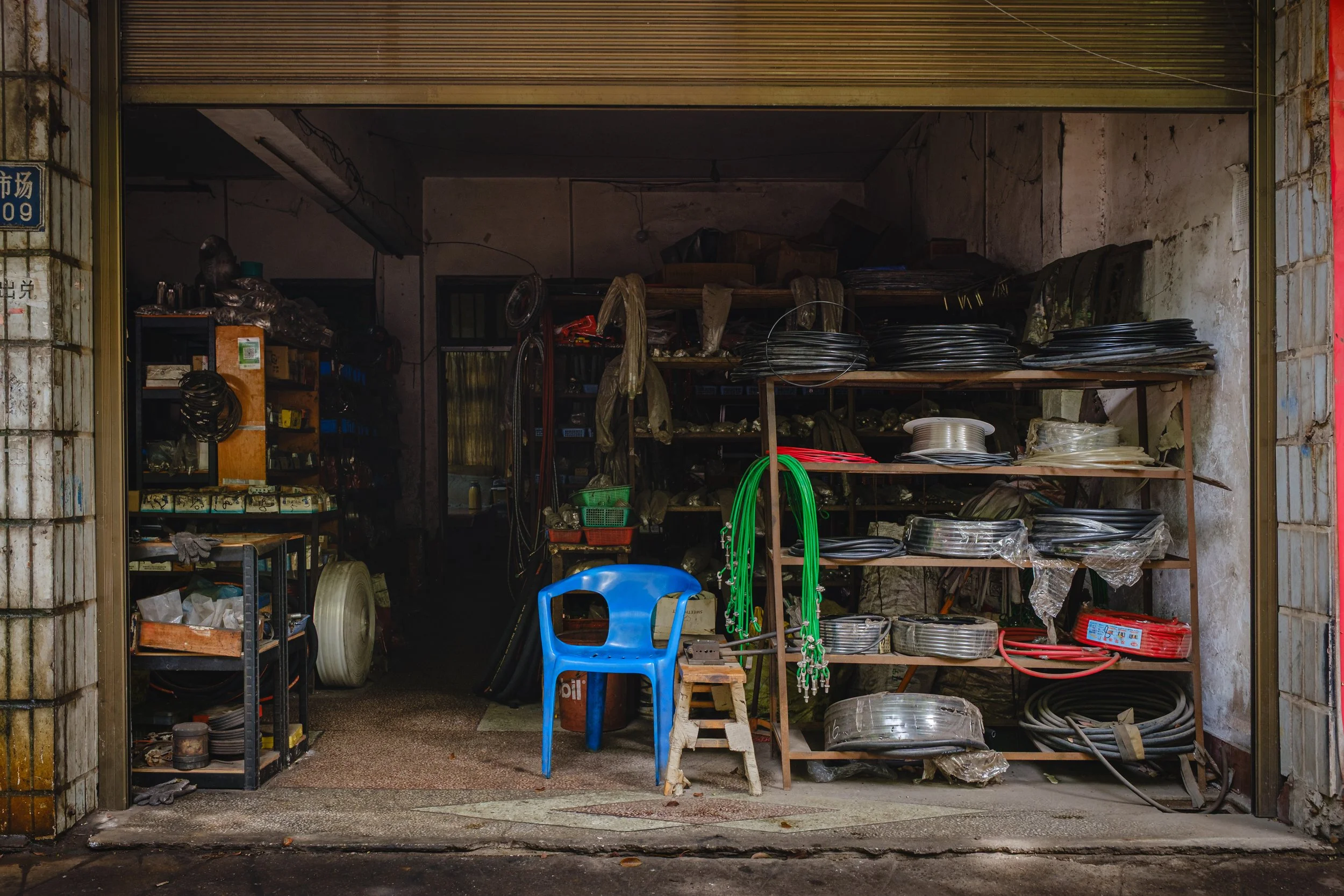
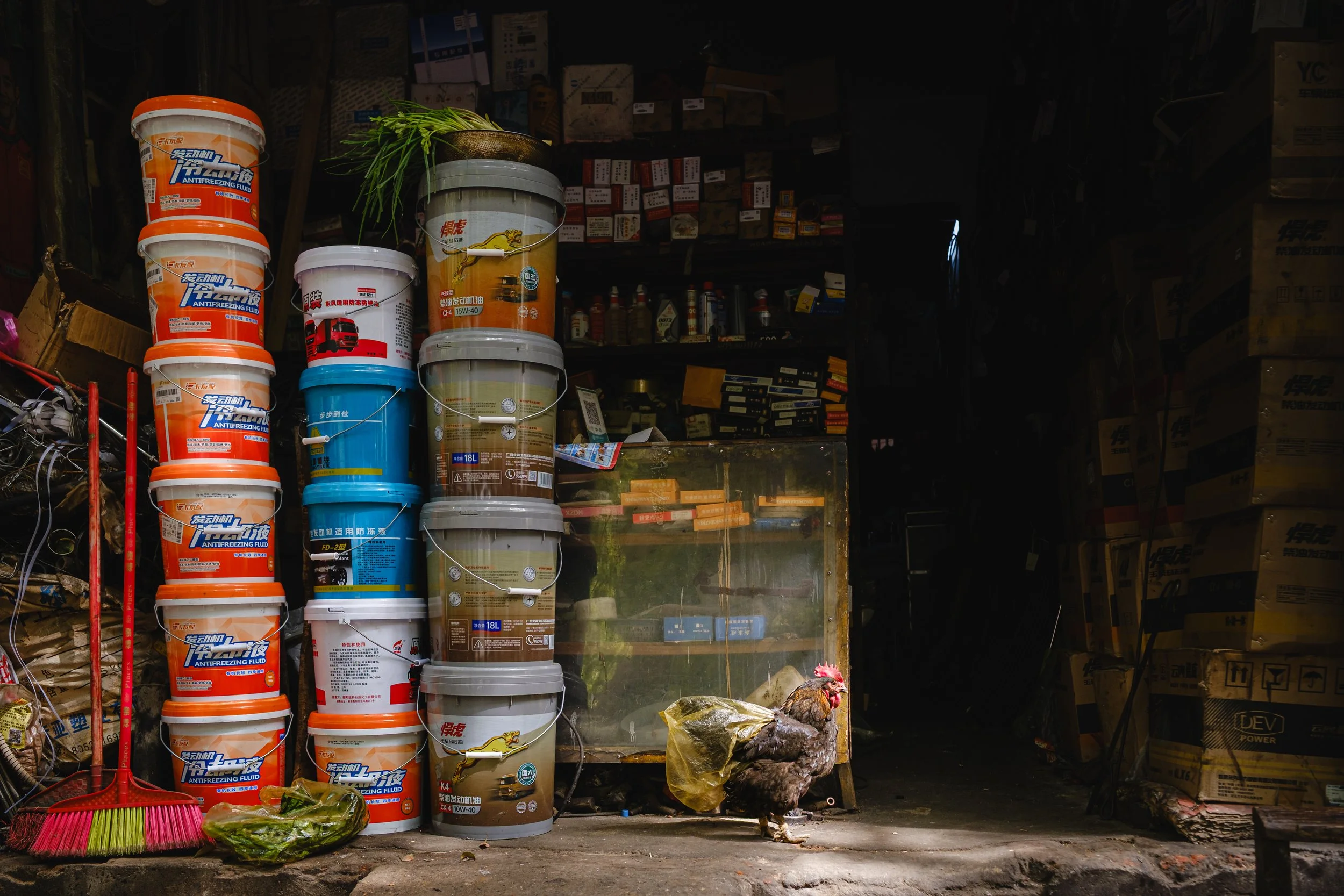
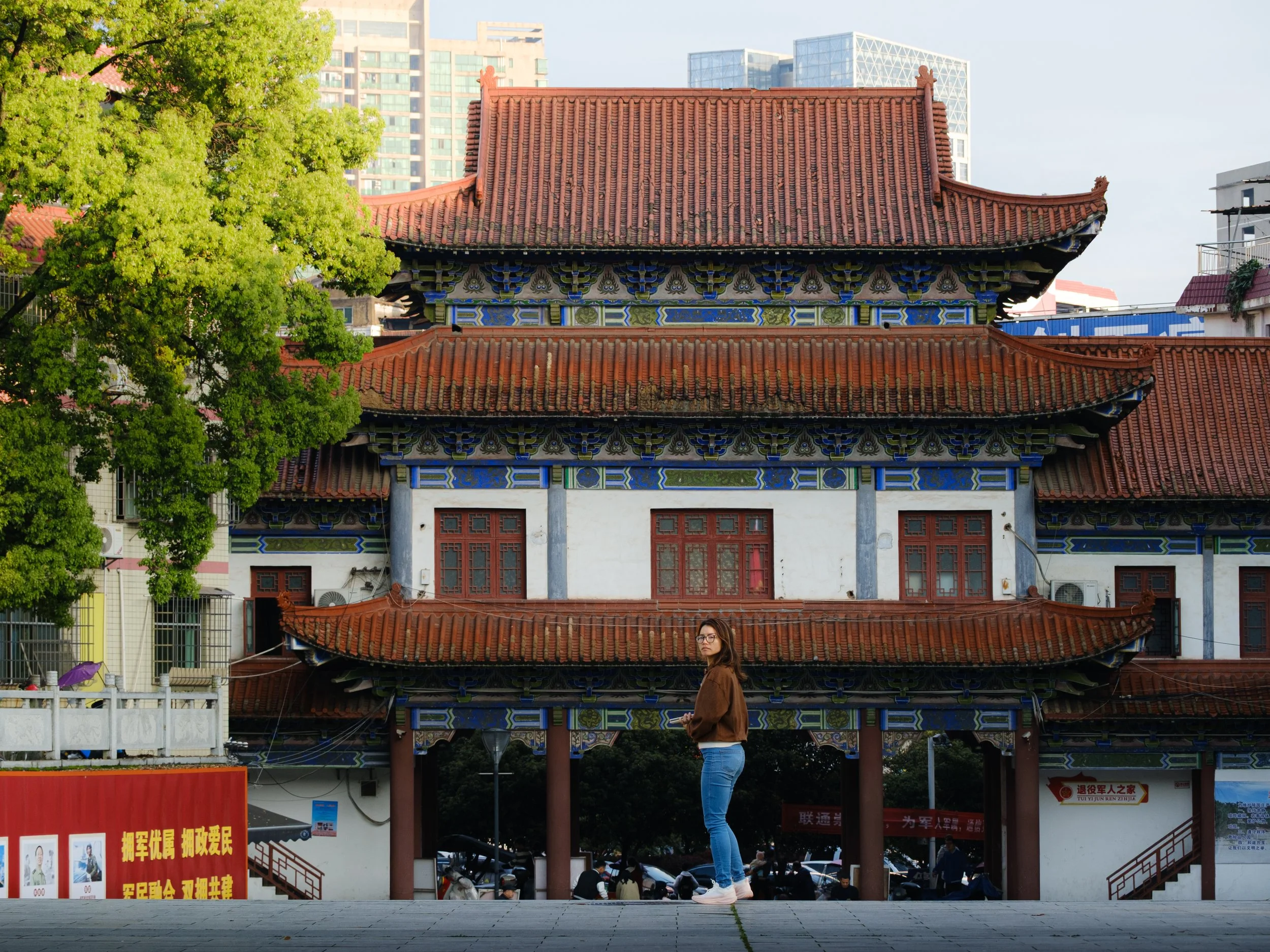
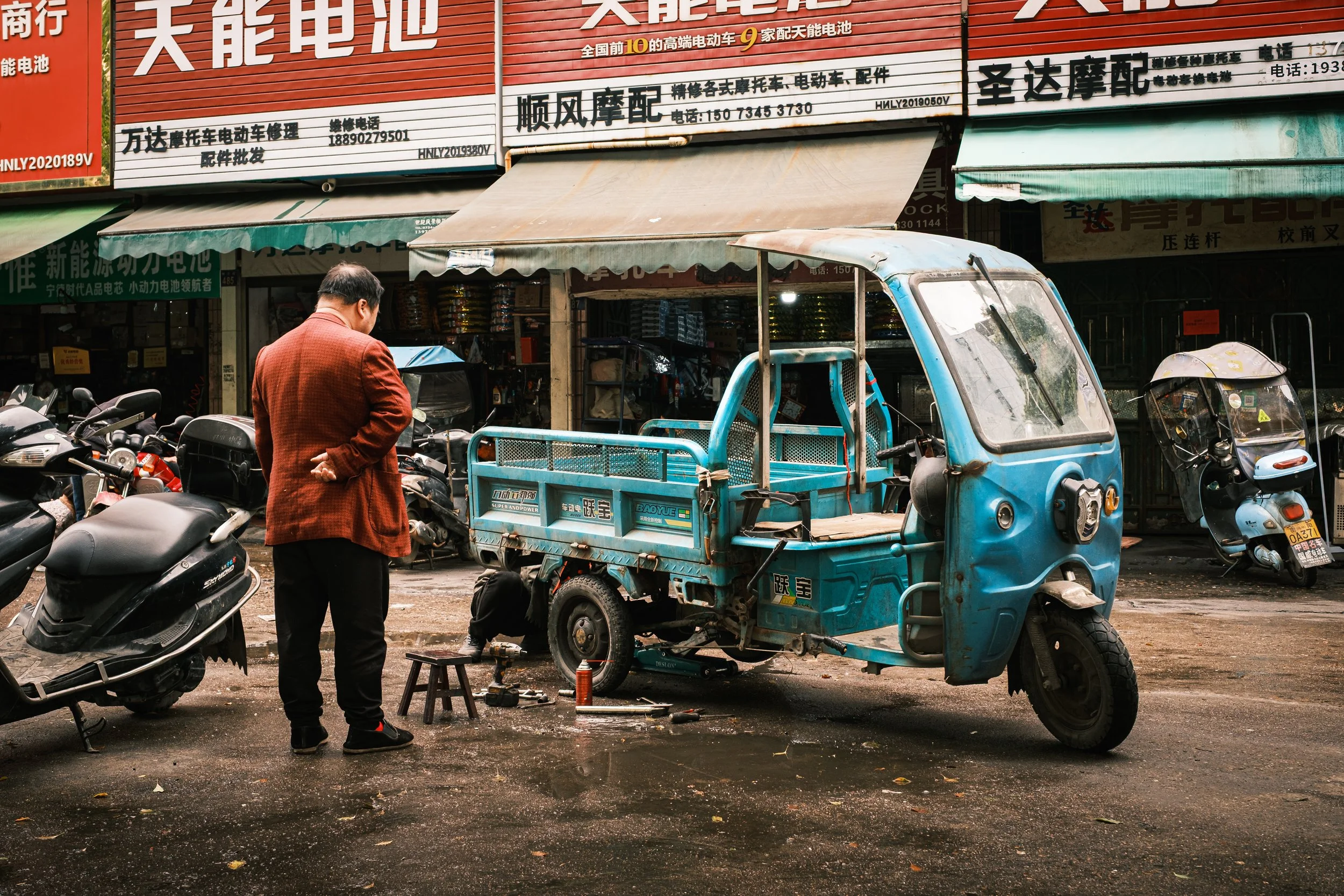
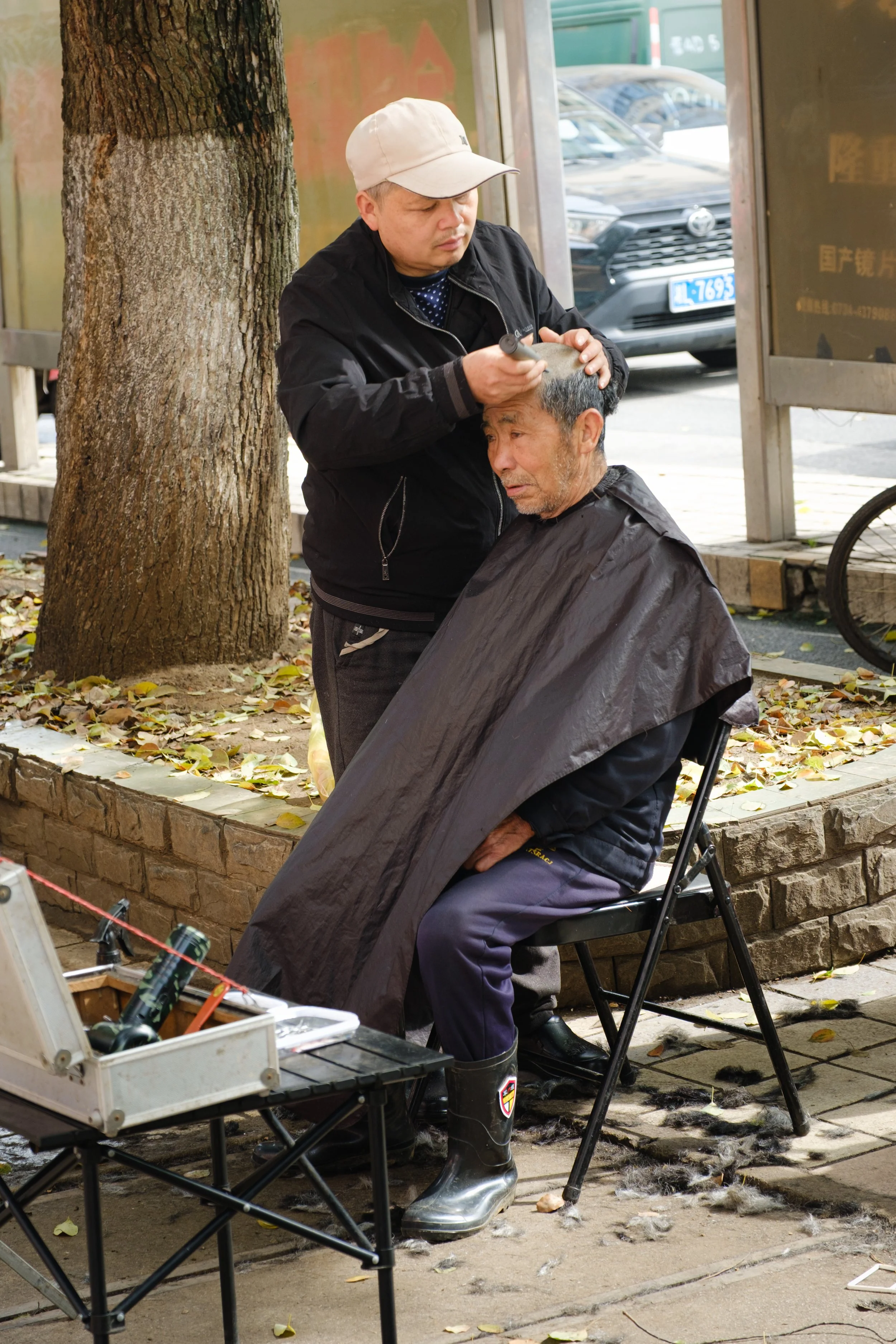
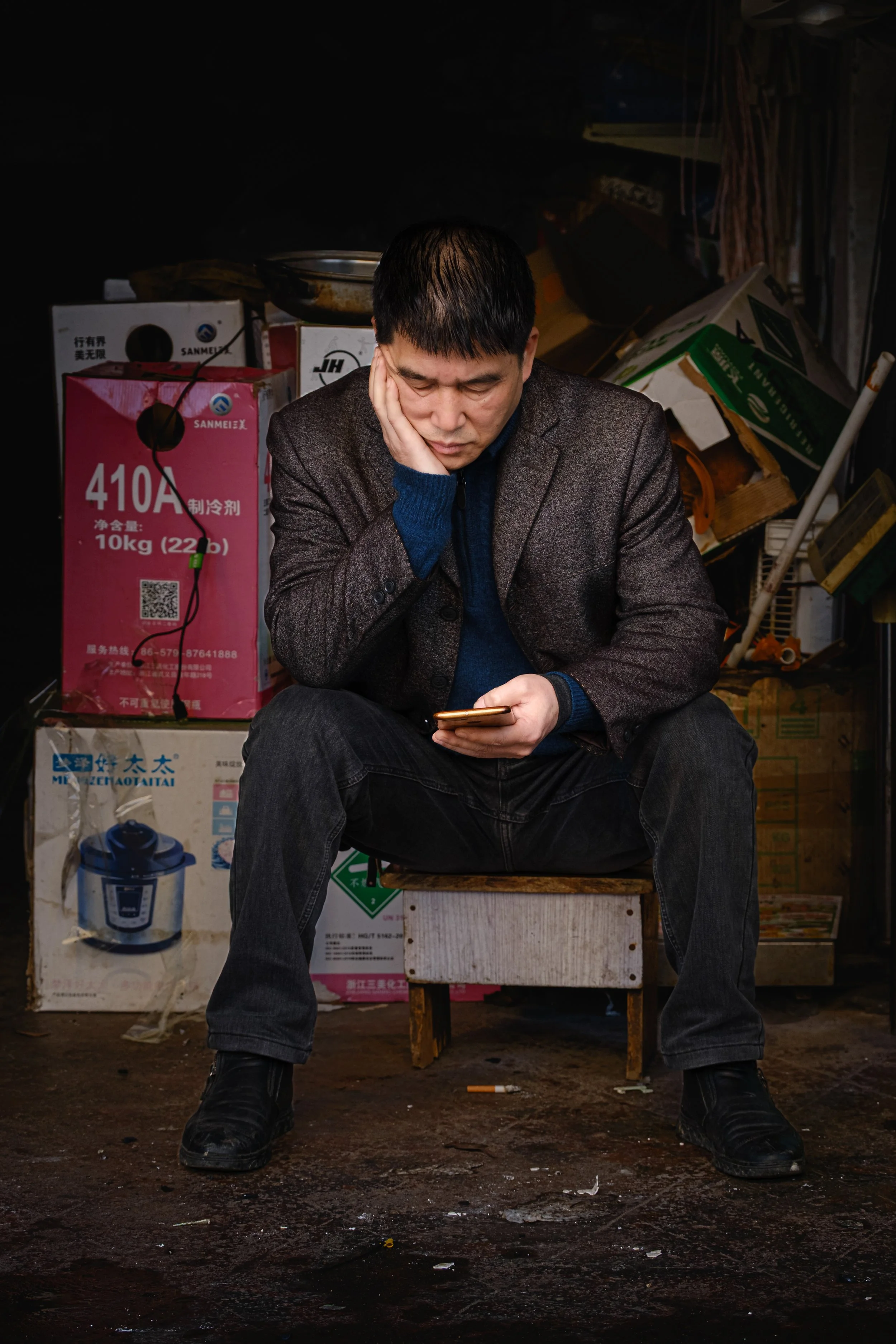
The first thing you notice about Leiyang is that it doesn't try to be something it's not. There are no streets lined with luxury brands, no showroom neighborhoods designed to impress visitors. The buildings are functional rather than beautiful, the streets are busy without being carefully curated. Two-wheelers (electric bikes and scooters) dominate the traffic in a way they don't in cities where everyone's upgraded to cars. The shops sell paint, cookware and building materials, the everyday goods that people actually need rather than the aspirational products that signal status.
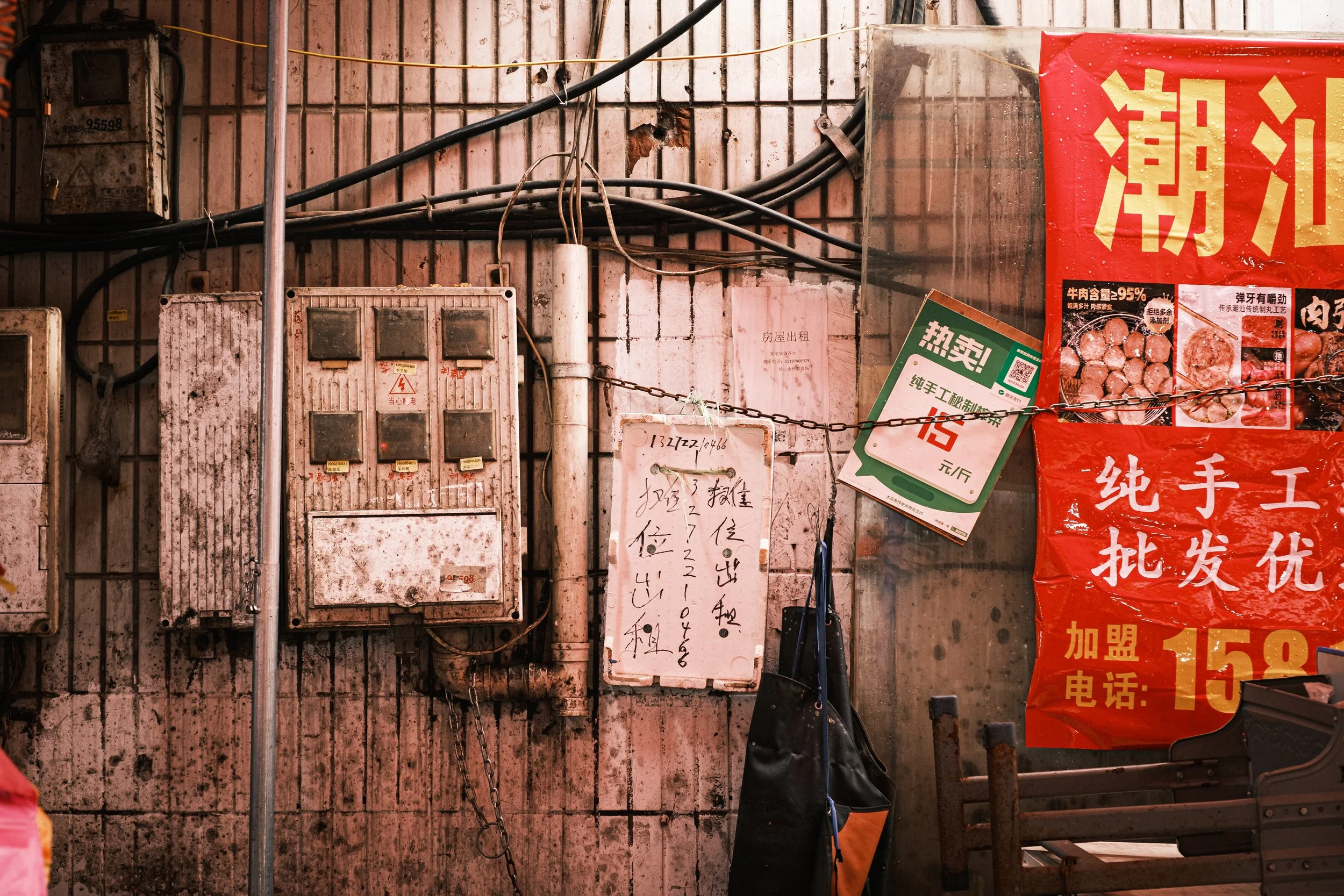
There's a roughness to it all, an aesthetic honesty that comes from not having the resources or the inclination to polish everything for presentation. The city feels lived-in rather than designed, organic rather than planned, authentic in a way that more developed places sometimes aren't.
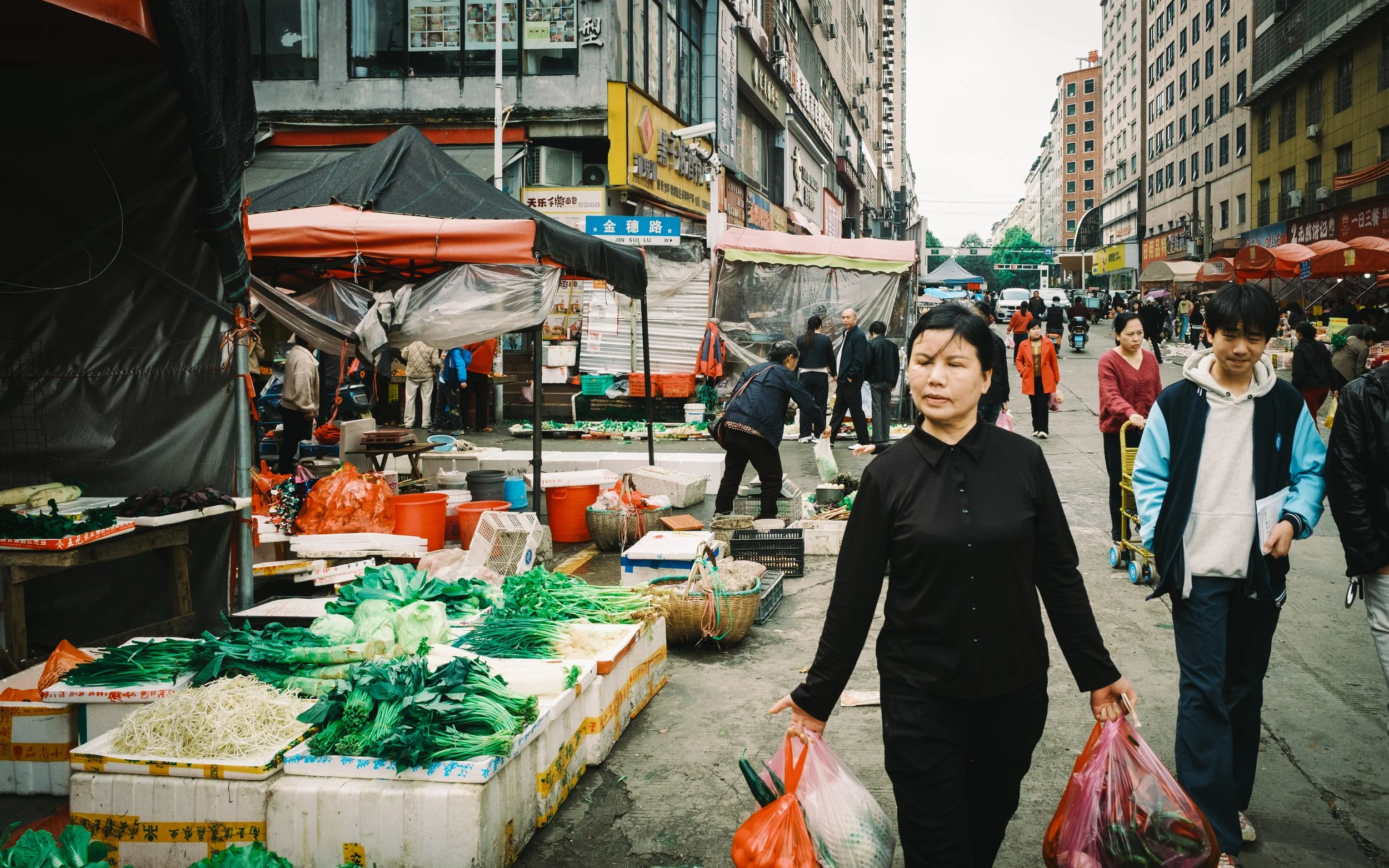
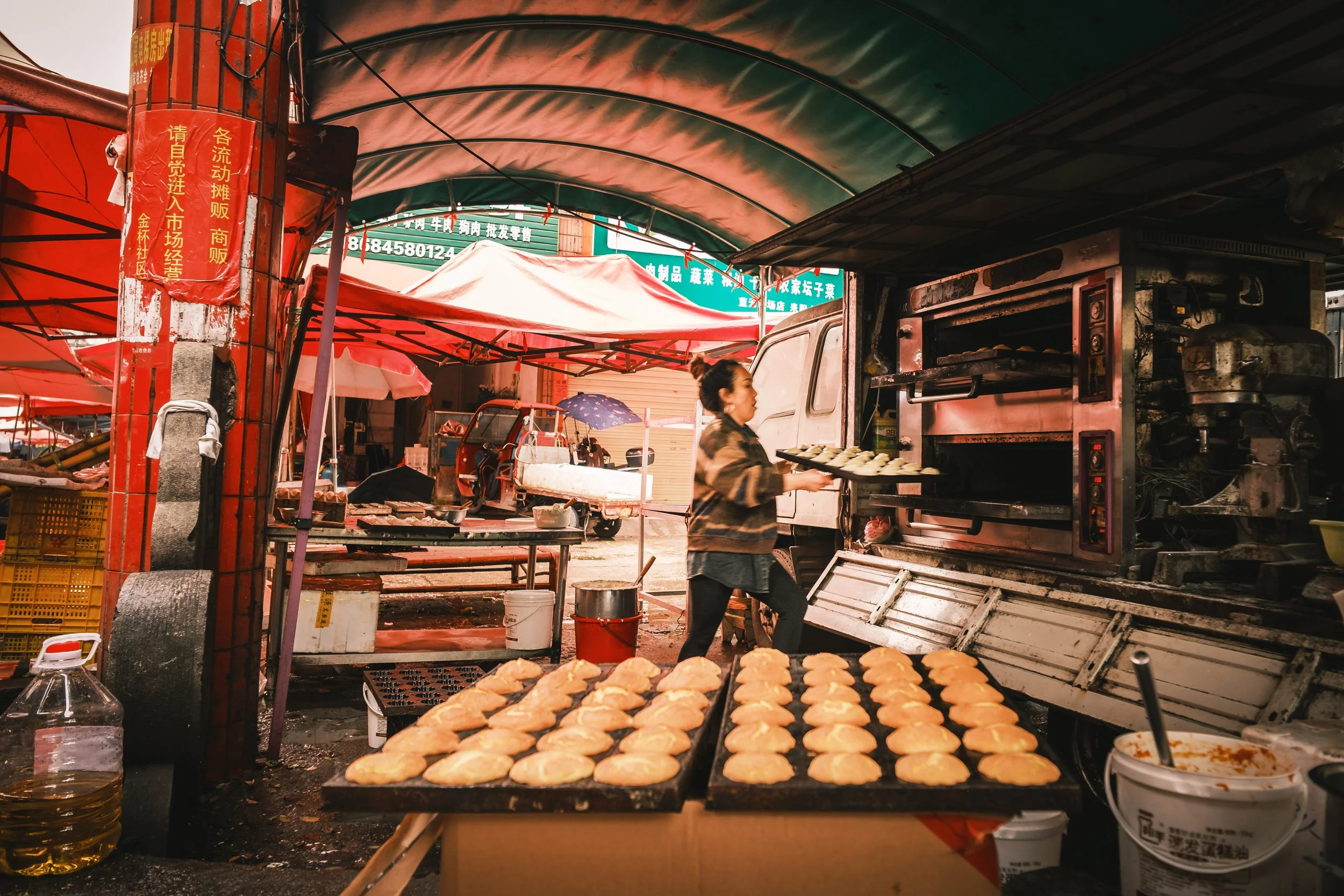
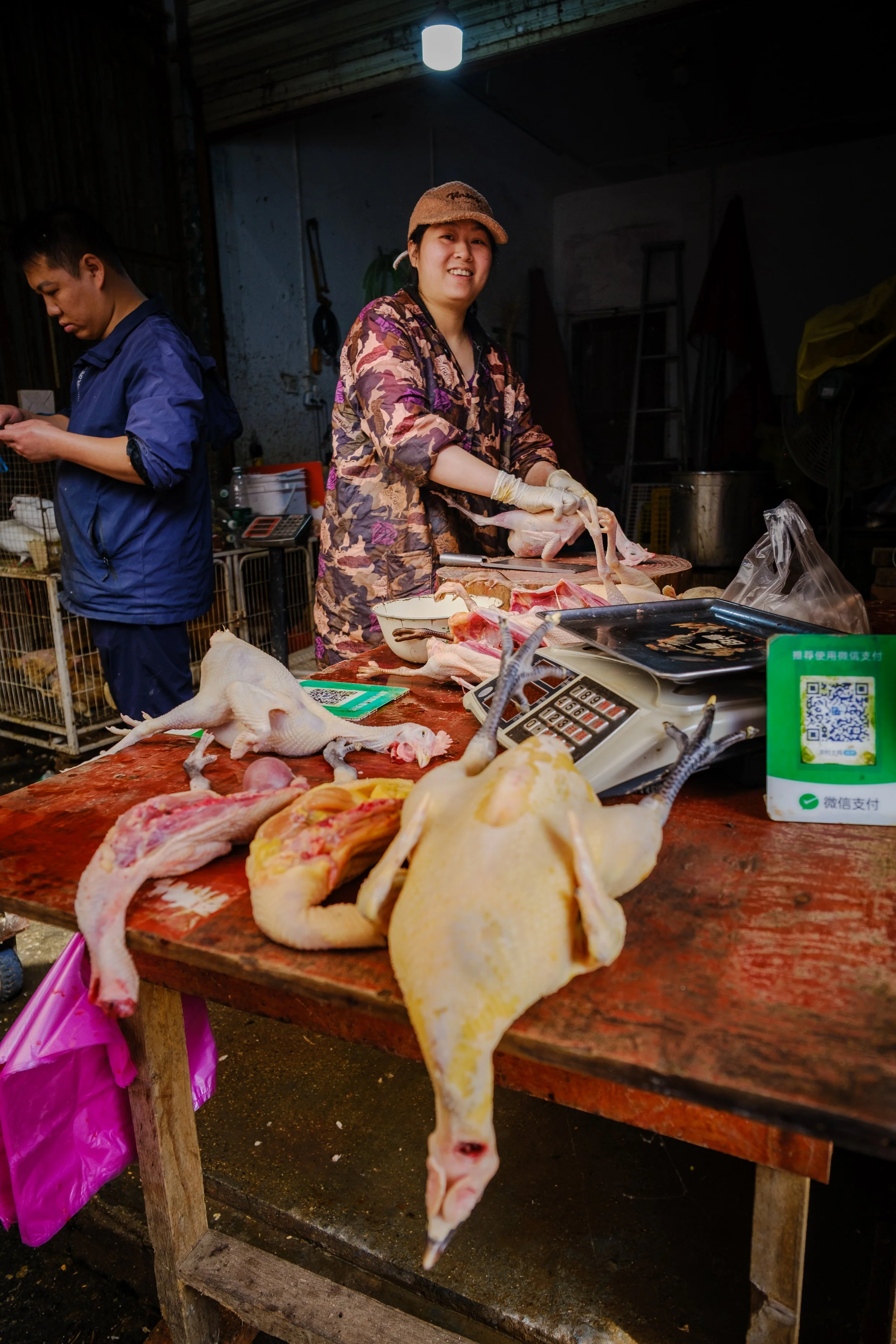
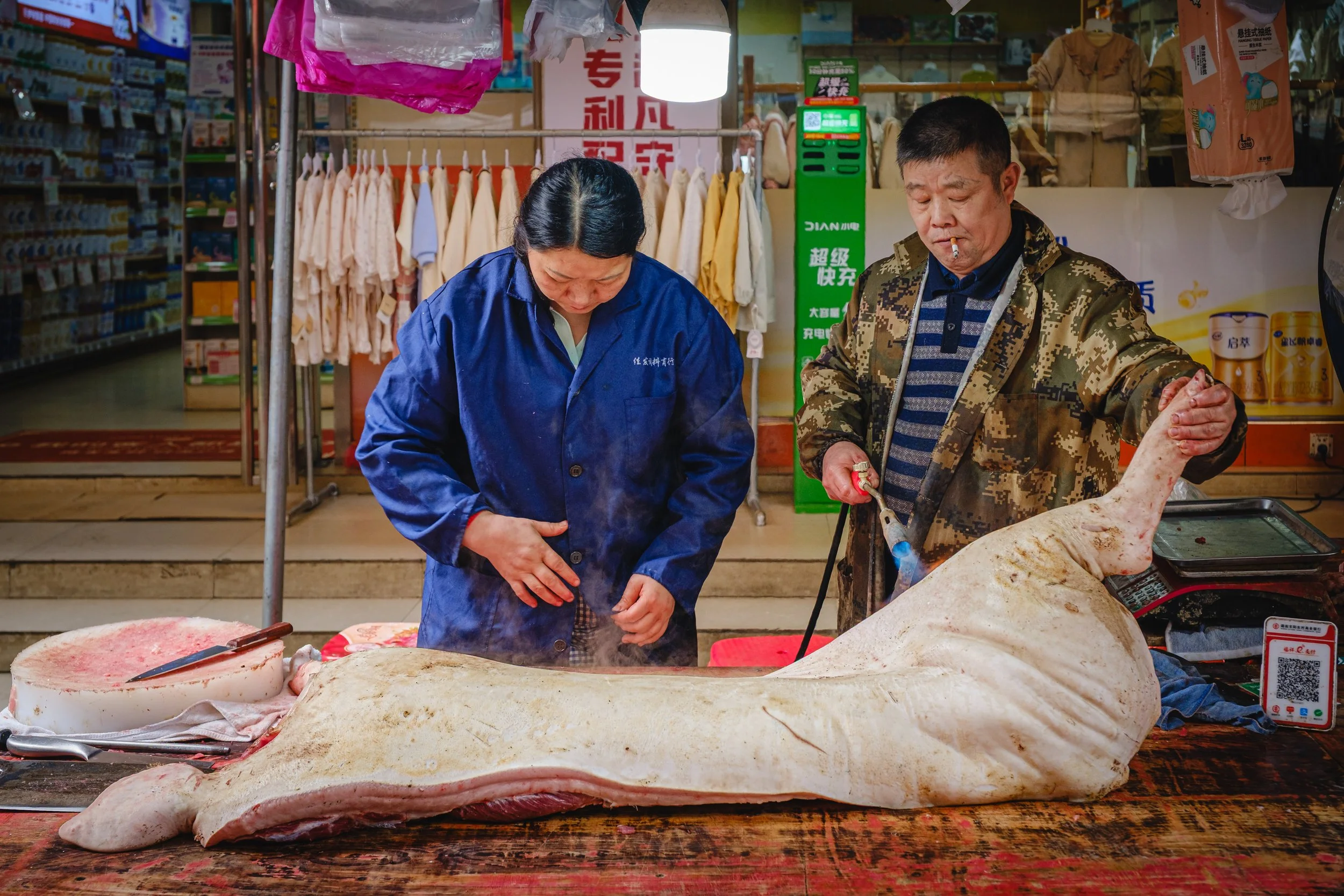
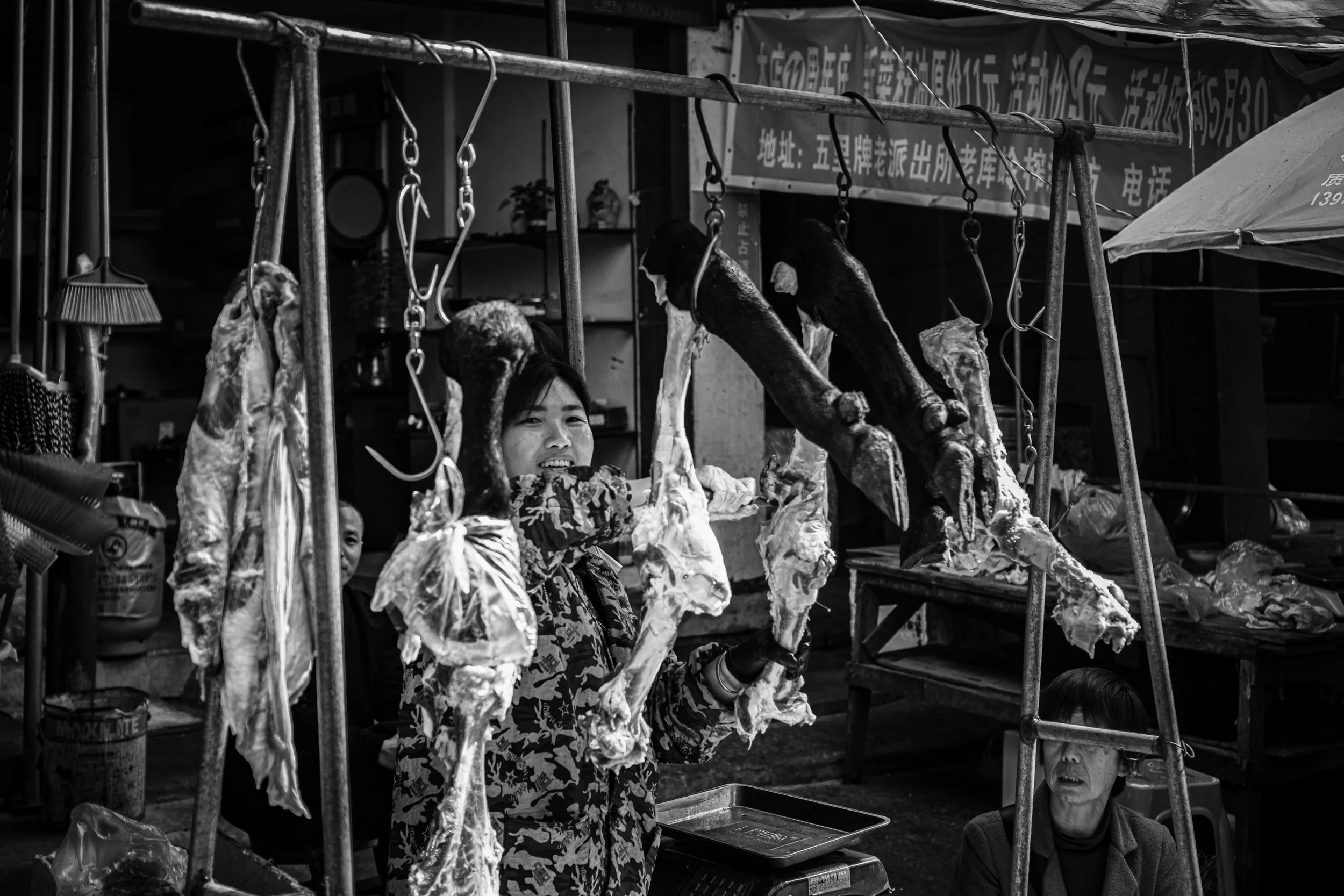
The wet market captures this perfectly. It sprawls across several blocks in the city center, completely open-air, a chaos of vendors, produce, smells and noise. Fish still moving in buckets. Vegetables with dirt still on them because they were pulled from nearby fields that morning. Meat hanging from hooks in ways that would violate every Western health code. People haggling, inspecting, choosing.
It's not pretty in the Instagram sense, but it's real in a way that matters more. The food is fresh because it's local, sourced from the farms that surround the city rather than shipped from industrial operations hundreds of kilometers away. There's an elegance to that self-sufficiency, to a city that can still feed itself from its own hinterland. When I compare it to the high-end supermarkets in Hong Kong, all sleek design and careful lighting, but selling produce that was harvested weeks ago and wrapped in three layers of plastic, It makes me question which model makes more sense.
Still, walking those streets, you can see this is a city that hasn't caught up to the coastal boom towns. The infrastructure is there, but the finish isn't. The services exist, but the polish doesn't. It's a work in progress, which in China means it's progressing faster than most Western cities ever did, but hasn't arrived yet at wherever it's going.
The Other Side
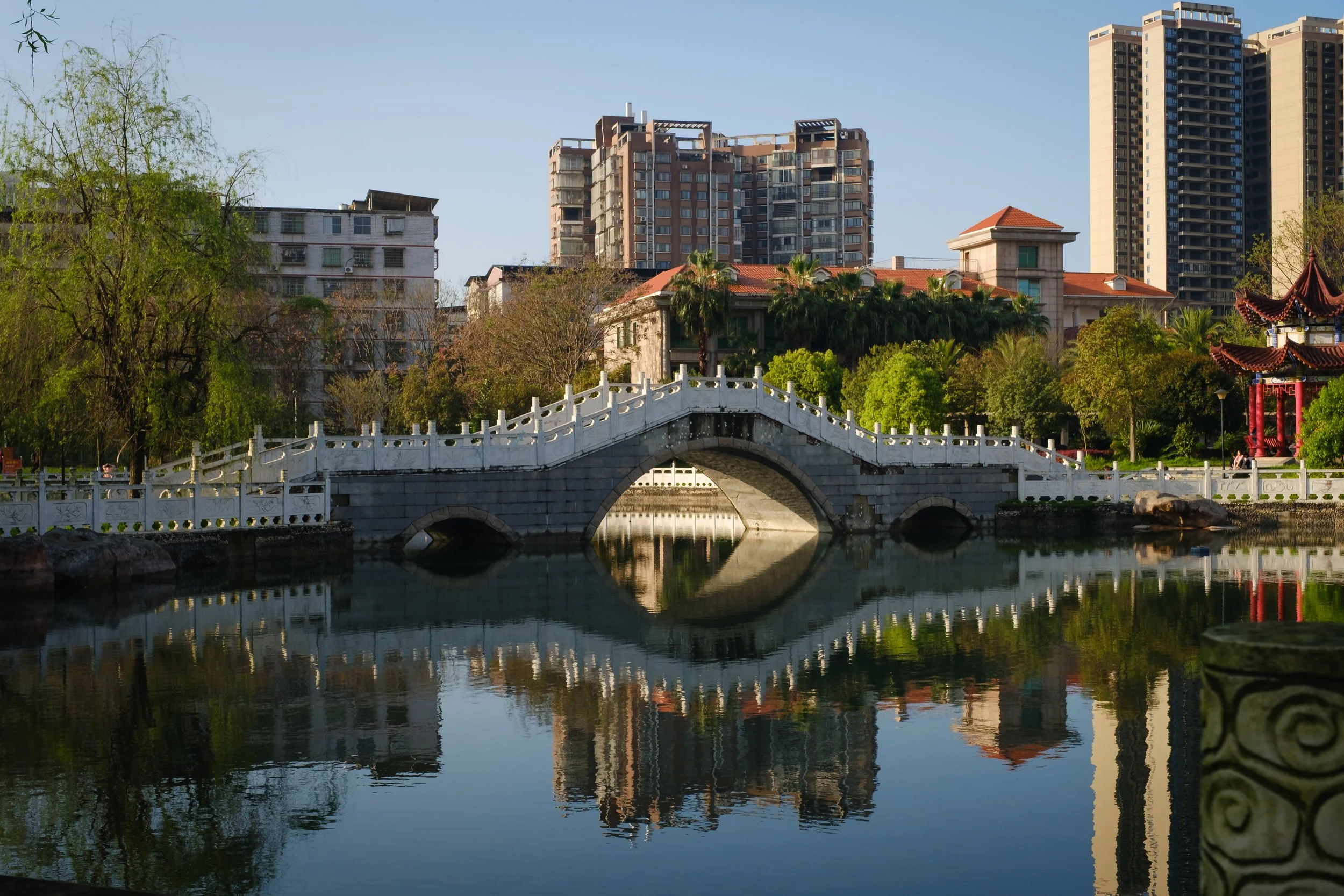
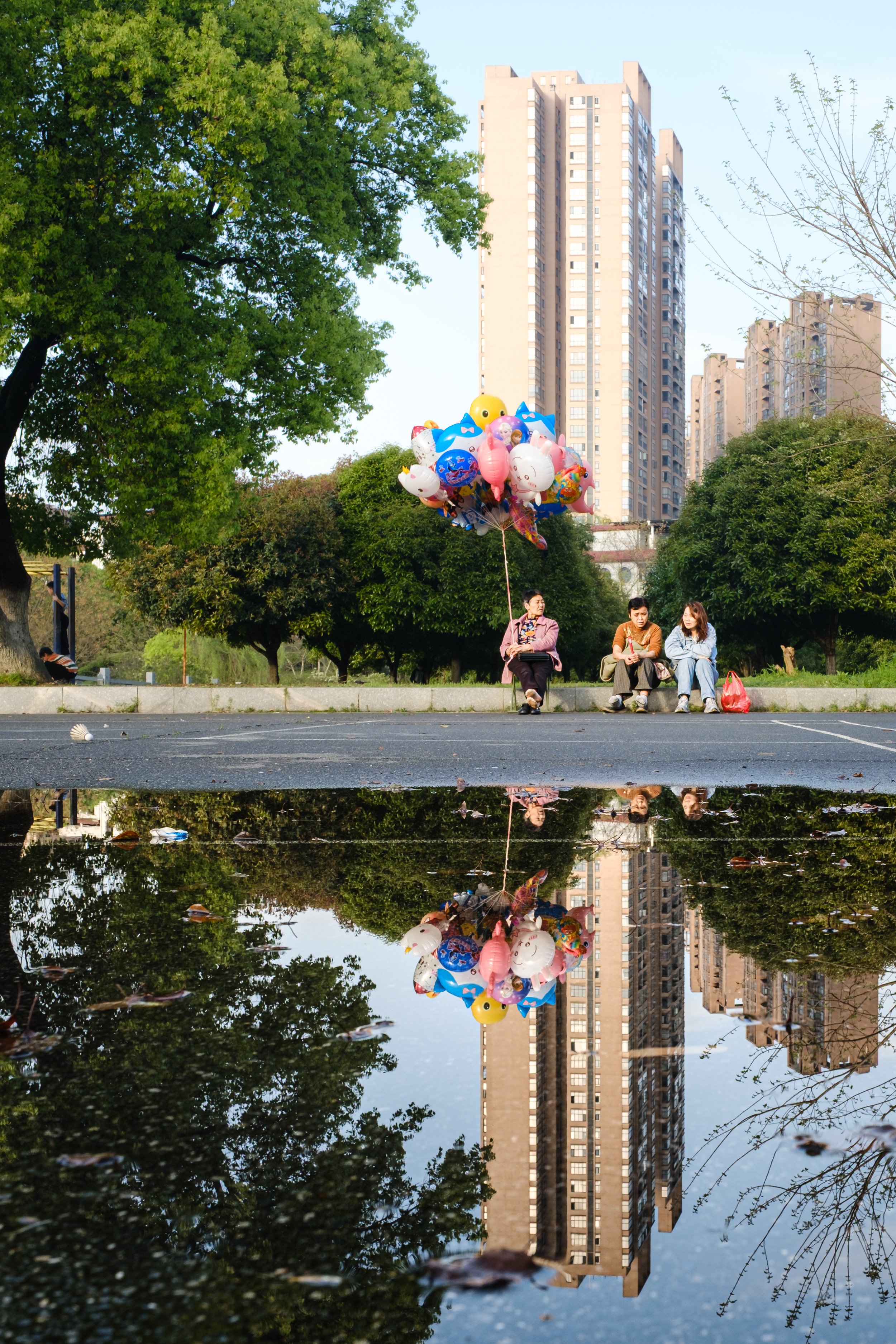
Then you turn a corner, walk a few blocks from the wet market, and find yourself in a park that could exist in any prosperous Chinese city. Ponds crossed by elegant bridges, pagodas positioned for maximum photogenic effect, tree-lined paths wide enough for families to walk three abreast. People playing badminton on courts that are free to use. Couples having picnics. Elderly folks doing tai chi in the morning light. Kids running around while their grandparents chat on benches.
Everything feels easy here in a way that life in first-tier cities often doesn't. There's no sense of competition, no performance of wealth or status. Nobody's wearing the latest fashion or carrying the newest iPhone as a statement. People are just... being. Enjoying a Sunday afternoon. Spending time together because time is something you can spend freely when you're not constantly calculating its monetary value.
I've felt this before in smaller Chinese cities, this sense of relief from the pressure that defines life in places like Shanghai or Shenzhen. In those cities, everything becomes a competition: who makes more money, whose kid goes to a better school, who can afford a bigger apartment. The material concerns pile up until they're the only concerns, until success becomes defined entirely by acquisition and status.
Here in Leiyang, life moves at a different pace. Not because people are lazy or unambitious, but because the stakes feel more human-scaled. You can have a good life without winning some imaginary race against everyone around you. You can enjoy your afternoon in the park without feeling like you should be working instead. There's something genuinely valuable about that, something that gets lost in the rush toward development and wealth.

When Things Go Wrong
I learned more about Leiyang's reality when I sprained my knee badly enough that ignoring it stopped being an option. I was dreading the hospital experience, half-expecting something out of a cautionary tale about healthcare in developing regions.
Instead, I found a five-story modern hospital that was cleaner and better organized than many facilities I've visited in wealthy countries. The triage was efficient, the waiting room was comfortable, and I saw a doctor within five minutes of arriving. An X-ray took another thirty minutes. The total cost for the consultation, the imaging, and the diagnosis came to 50 yuan (about eight US dollars)
The service was different, though, in ways that revealed which aspects of modernization had and hadn't filtered down to fifth-tier cities. Medical privacy, for instance, didn't really exist. Anyone can just walked into a doctor office while he is still treating another patient as if the idea that medical consultations should be private conversations hadn't quite taken hold yet.
It was amusing rather than concerning, and in a strange way it highlighted the specific nature of development in these cities. The infrastructure is modern, the equipment is current, the basic competence is there. But the cultural norms and procedural refinements that come with mature healthcare systems are still catching up. It works, it's effective, it's affordable, it's just not quite the same as what you'd find in Beijing or Shanghai.
What Development Actually Looks Like
Living in Leiyang for a few days was enlightening. Behind the stereotypes of fourth and fifth-tier cities the reality is more complicated and more interesting.
Yes, Leiyang lacks the polish of China's showcase cities. The buildings are grayer, the streets are rougher, the services are less refined. But people have access to fresh food, modern healthcare, reliable transportation, and public spaces where they can actually enjoy their lives. The city is developing fast, construction cranes dot the city, new apartment complexes are going up, infrastructure keeps improving. It's not stuck in the past; it's just a few years behind the present that coastal cities have already reached.
More importantly, there's a quality of life here that doesn't reduce easily to statistics about GDP or infrastructure spending. People seem genuinely content with their simple daily routines. They're not dreaming of escape to somewhere better because where they are works well enough.
That's not to romanticize the roughness or pretend that everything is perfect. It’s not, development is uneven, and not everyone benefits equally from the progress. But the picture is far more nuanced than the binary we often get: developed coastal cities versus backward interior provinces, wealth versus poverty, modern versus stuck in time.
The truth is messier and more human than that. Fifth-tier cities are works in progress, but so is everywhere else. They're livable now and becoming more livable, which is more than you can say for a lot of places in the developed world that peaked decades ago and have been coasting ever since.
Bertrand Renaud is an award-winning French photographer based in Hong Kong. His work focuses on street photography and landscapes across South China.

